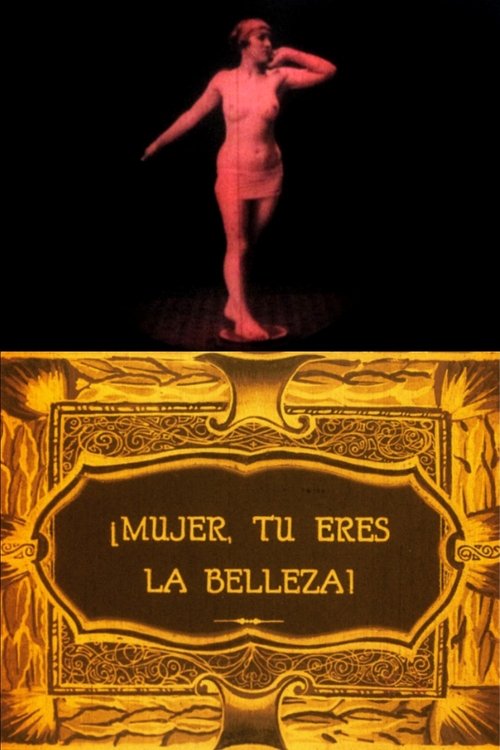
¡Mujer, tú eres la belleza! 1928
¡Mujer, tú eres la belleza! (1928) is a silent-era documentary that celebrated female beauty in early 20th-century Argentina.
Director: Camilo Zaccaría Soprani
Frequently Asked Questions
What is ¡Mujer, tú eres la belleza! (1928) about?
This silent documentary from Argentina highlights the concept of female beauty through artistic presentation. It combines cinema with live performances, featuring a model posing on stage during screenings to enhance the viewing experience.
Who directed ¡Mujer, tú eres la belleza!?
The film was directed by Camilo Zaccaría Soprani, an Italian-born Argentine journalist and filmmaker known for his contributions to early Argentine cinema.
Who stars in ¡Mujer, tú eres la belleza!?
Director information is not available.
Is ¡Mujer, tú eres la belleza! (1928) worth watching?
As an unrated silent documentary, it's a fascinating piece of early cinema history. Fans of silent films and Argentine cultural heritage will appreciate its unique blend of performance and storytelling, though it may lack broad appeal for modern audiences.
How long is ¡Mujer, tú eres la belleza!?
The film runs for 60 minutes.
About ¡Mujer, tú eres la belleza! (1928) — Silent Documentary Celebrating Argentine Beauty
¡Mujer, tú eres la belleza! (1928) is a silent-era documentary that celebrated female beauty in early 20th-century Argentina. Directed by Italian-Argentine journalist Camilo Zaccaría Soprani, the 60-minute film premiered in Rosario with live orchestral accompaniment and a real-life model posing on stage, creating an unforgettable cinematic experience. Its blend of artistic presentation and cultural commentary captivated audiences, making it a runaway success that later echoed in Buenos Aires. The film's innovative approach—combining cinema with live performance—reflected the creative energy of Argentina's silent film era.
At its core, ¡Mujer, tú eres la belleza! is a poetic ode to femininity and artistic expression. Through striking visuals and a forward-thinking narrative, it explored themes of identity and beauty while remaining rooted in the documentary genre. The atmosphere is one of nostalgia and admiration, offering a rare glimpse into early Argentine filmmaking and the vision of its pioneering director.