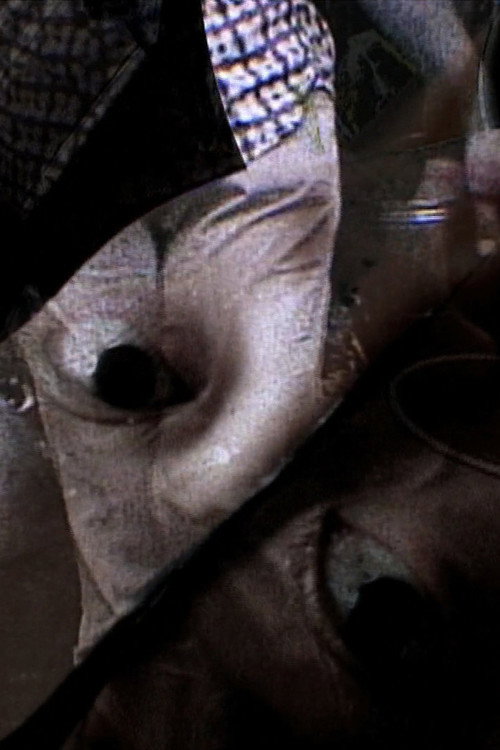
Tradition 2004
Part of Mike Hoolboom's acclaimed seven-part documentary series *Public Lighting* (2004), *Tradition (2004)* explores the hidden rhythms and unspoken codes that shape community life.
Director: Mike Hoolboom
Frequently Asked Questions
What is Tradition (2004) about?
*Tradition (2004)* peels back the layers of daily life to examine the rituals, memories, and unspoken connections that pass between generations. It's less a story and more a sensory experience, using fleeting images to evoke the weight of inherited habit and the quiet power of shared pasts.
Who directed Tradition?
Mike Hoolboom directed *Tradition (2004)*. Known for his experimental and documentary work, Hoolboom crafts deeply personal films that explore memory, identity, and the unseen structures of society.
Who stars in Tradition?
Cast details for *Tradition (2004)* are not publicly listed.
Is Tradition (2004) worth watching?
As a short documentary within Hoolboom's *Public Lighting* series, *Tradition (2004)* offers a compact but powerful meditation on legacy and continuity. Its poetic approach may not appeal to mainstream audiences, but it's a standout for viewers drawn to avant-garde and introspective filmmaking.
How long is Tradition?
*Tradition (2004)* has a runtime of 8 minutes.
About Tradition (2004) — A poetic documentary short exploring the invisible bonds of tradition and time
Part of Mike Hoolboom's acclaimed seven-part documentary series *Public Lighting* (2004), *Tradition (2004)* explores the hidden rhythms and unspoken codes that shape community life. This eight-minute experiment in visual storytelling strips away the noise of modern existence to reveal the quiet, enduring rituals that bind generations together. Through intimate framing and layered imagery, the film captures fleeting moments of connection, nostalgia, and the fragile beauty of inherited traditions—all while questioning how much of our identity is shaped by what we unconsciously carry forward.
Hoolboom's signature style blends documentary realism with poetic abstraction, creating a hypnotic meditation on time, memory, and the spaces between generations. The film's minimalist runtime belies its emotional depth, inviting viewers to reconsider the everyday gestures and routines that define both personal and collective histories. Like a cinematic time capsule, *Tradition (2004)* feels both timeless and urgently contemporary, a fleeting glimpse into the invisible architecture of tradition itself.