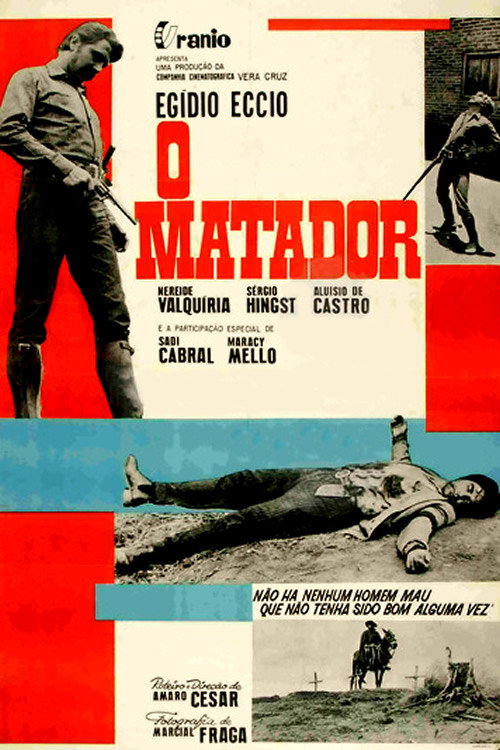
O Matador 1967
Set against the gritty underbelly of mid-20th century Brazil, *O Matador (1967)* plunges viewers into the shadowy world of crime and moral ambiguity.
Director: Egídio Eccio
Cast



Frequently Asked Questions
What is O Matador (1967) about?
*O Matador (1967)* follows a lethal assassin entangled in a dangerous game of power and betrayal within Brazil's criminal underworld. As he navigates a shifting landscape of allies and enemies, the film explores the psychological toll of a life steeped in violence. The story unfolds with relentless tension, revealing how far one man will go to escape his past.
Who directed O Matador?
Egídio Eccio directed *O Matador (1967)*, bringing a raw, atmospheric style that defines the film's gritty tone.
Who stars in O Matador?
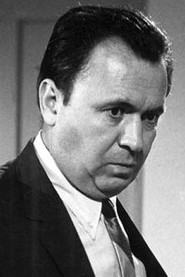
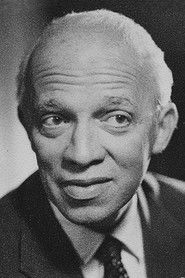
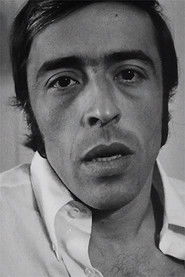
The film features Egídio Eccio, Sérgio Hingst, Sadi Cabral, Maracy Mello, and Nereide Valquíria in key roles, delivering performances that anchor its tense narrative.
Is O Matador (1967) worth watching?
Though unrated, *O Matador (1967)* remains a compelling watch for fans of Brazilian crime cinema. Its moody atmosphere, strong performances, and moral complexity make it a standout in the genre. If you appreciate character-driven thrillers with a historical edge, it's well worth seeking out.
How long is O Matador?
Runtime details are not listed for *O Matador (1967)*.
About O Matador (1967) — A Brazilian Crime Thriller with Grit and Suspense
Set against the gritty underbelly of mid-20th century Brazil, *O Matador (1967)* plunges viewers into the shadowy world of crime and moral ambiguity. Directed by Egídio Eccio, this Brazilian crime thriller unfolds through the eyes of a skilled assassin navigating a web of betrayal and danger. The film's tense atmosphere is heightened by stark cinematography and a pulsating narrative that keeps audiences on edge. Eccio's direction blends raw realism with suspense, making it a standout in the crime genre. With a cast that includes Sérgio Hingst and Sadi Cabral, *O Matador* delivers a gripping story that explores themes of fate, redemption, and the cost of violence.
While the film lacks a traditional hero, its morally complex characters and high-stakes confrontations create a compelling drama that lingers long after the credits roll. The director's vision transforms a seemingly straightforward crime tale into a reflective examination of human choices and their consequences. For fans of Brazilian cinema, *O Matador (1967)* offers a rare glimpse into the country's cinematic past, marked by bold storytelling and unforgettable performances.