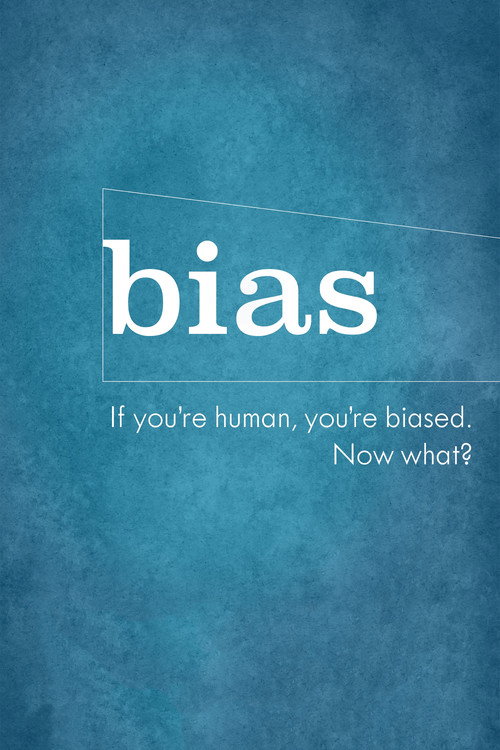
Bias 2018
"If you're human, you're biased. Now what?"
Bias (2018) pulls back the curtain on an uncomfortable truth: our unconscious prejudices shape decisions in ways we rarely acknowledge.
Director: Robin Hauser
Cast
Frequently Asked Questions
What is Bias (2018) about?
Bias (2018) explores the science and impact of implicit bias, the unconscious attitudes we form about people based on gender, race, or background. Through real-world examples and expert interviews, it reveals how these biases influence our behavior and shape society. The film also offers pathways to awareness and change.
Who directed Bias?
Bias was directed by Robin Hauser, an award-winning documentary filmmaker known for tackling complex social issues with clarity and empathy.
Who stars in Bias?
The documentary features insights from Mahzarin Banaji, Iris Bohnet, Mellody Hobson, Joanna Bryson, and Anthony Greenwald, among others.
Is Bias (2018) worth watching?
As a well-researched documentary with a tight runtime, Bias (2018) is worth watching for anyone interested in psychology, social justice, or self-improvement. Its blend of storytelling and science makes it both informative and engaging for a wide audience.
How long is Bias?
Bias (2018) has a runtime of 88 minutes.
🎥 Trailer
About Bias (2018) — A documentary that forces us to confront our hidden prejudices
Bias (2018) pulls back the curtain on an uncomfortable truth: our unconscious prejudices shape decisions in ways we rarely acknowledge. Filmmaker Robin Hauser dives deep into implicit bias with a personal touch, revealing how these silent judgments influence hiring, policing, and even our daily interactions. Through candid conversations with experts like psychologists Mahzarin Banaji and Anthony Greenwald, the documentary transforms abstract theory into urgent, eye-opening reality.
With a tight 88-minute runtime, Bias blends compelling storytelling with hard data to challenge viewers to recognize their own blind spots. The film's tone is neither accusatory nor preachy—it's thought-provoking and accessible, making it essential viewing for anyone invested in progress, fairness, and human connection.