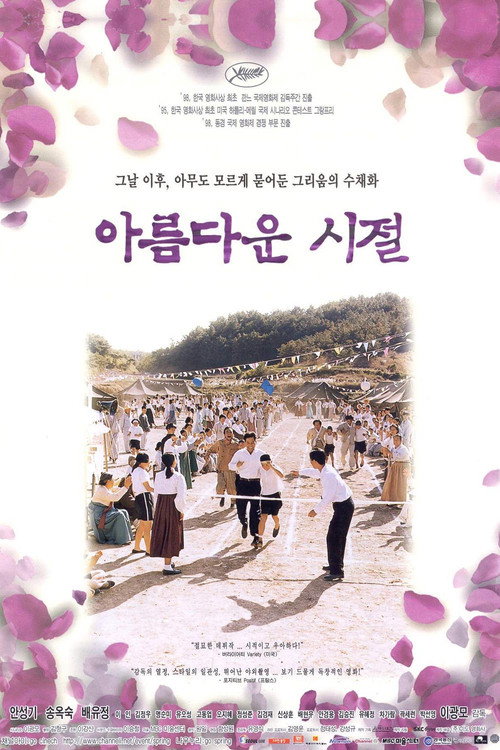
Spring in My Hometown 1998
Set against the raw beauty of the Korean countryside in 1952, *Spring in My Hometown* (1998) weaves a poignant tale of childhood innocence disrupted by the Korean War.
Director: Lee Kwang-mo
Cast




Frequently Asked Questions
What is *Spring in My Hometown* (1998) about?
This wartime drama follows two young boys, Sungmin and Changhee, living in a rural Korean village in 1952. As the Korean War rages on, their innocence is tested by the harsh realities of conflict, loss, and the struggle to hold onto hope amid devastation.
Who directed *Spring in My Hometown*?
The film was directed by Lee Kwang-mo, known for his evocative storytelling and ability to blend personal drama with historical context.
Who stars in *Spring in My Hometown*?
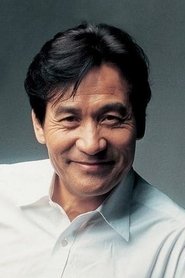
The film features Ahn Sung-ki, Kim Jung-woo, Oh Ji-hye, Lee In, and Song Ok-suk in pivotal roles, bringing depth and authenticity to their characters.
Is *Spring in My Hometown* (1998) worth watching?
While its IMDb rating is unrated, *Spring in My Hometown* is a poignant and beautifully crafted war drama that offers a rare child's-eye view of conflict. Its emotional resonance and stunning visuals make it a compelling watch for fans of historical dramas.
How long is *Spring in My Hometown*?
The film runs for 120 minutes, or 2 hours.
About Spring in My Hometown (1998) — A Heartbreaking 1950s War Drama You Won't Forget
Set against the raw beauty of the Korean countryside in 1952, *Spring in My Hometown* (1998) weaves a poignant tale of childhood innocence disrupted by the Korean War. Directed by Lee Kwang-mo, this wartime drama follows two young boys, Sungmin and Changhee, as they navigate the harsh realities of conflict while clinging to fleeting moments of joy and camaraderie. With stunning cinematography capturing the lush landscapes of their village, the film balances the serene warmth of spring with the looming shadow of war, exploring themes of loss, resilience, and the enduring bonds of friendship. Ahn Sung-ki and Kim Jung-woo deliver standout performances, grounding the emotional weight of the story in authentic, heartfelt portrayals.
The narrative unfolds with a delicate touch, blending quiet rural life with the chaos of wartime, as the boys' world shifts from carefree summers to the sobering challenges of survival. Lee Kwang-mo's direction infuses the film with a melancholic yet hopeful tone, making *Spring in My Hometown* a deeply moving reflection on how war reshapes lives and landscapes.