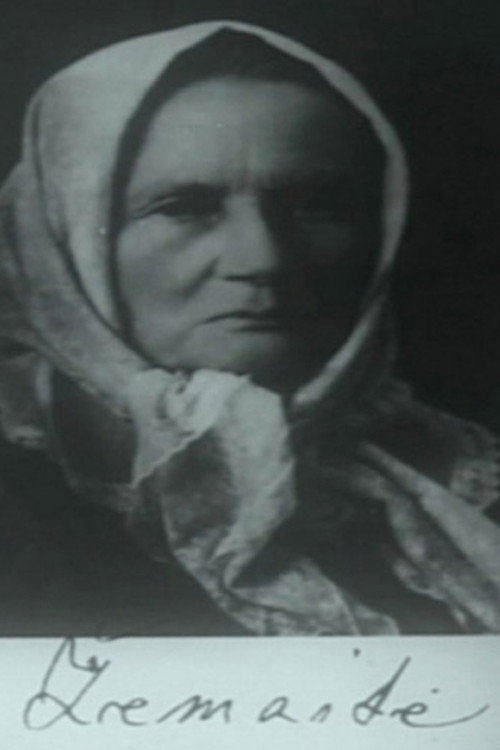
Žemaitė 1968
Discover the poetic journey of Lithuania's literary giant in *Žemaitė (1968)*, a compelling 11-minute documentary that breathes life into static archival footage.
Director: Robertas Verba
Frequently Asked Questions
What is Žemaitė (1968) about?
*Žemaitė (1968)* delves into the life and work of one of Lithuania's most revered writers, blending her literary contributions with the personal trials that shaped her legacy. The documentary stitches together static materials into a moving narrative, offering both historical context and emotional depth.
Who directed Žemaitė?
*Žemaitė (1968)* was directed by Robertas Verba, a filmmaker known for his skillful storytelling and innovative use of archival footage.
Who stars in Žemaitė?
Cast details for *Žemaitė (1968)* are not publicly listed.
Is Žemaitė (1968) worth watching?
Though concise at just 11 minutes, *Žemaitė (1968)* is a standout example of Lithuanian documentary filmmaking. Its evocative visuals and thematic richness make it compelling for history and literature enthusiasts, even without a known IMDb rating.
How long is Žemaitė?
*Žemaitė (1968)* has a runtime of 11 minutes.
About Žemaitė (1968) — A Brief Yet Stunning Documentary on Lithuania's Literary Icon
Discover the poetic journey of Lithuania's literary giant in *Žemaitė (1968)*, a compelling 11-minute documentary that breathes life into static archival footage. Director Robertas Verba crafts a visually rich portrait of the celebrated writer, weaving together her creative legacy and personal struggles with striking elegance. The film transcends its documentary roots, transforming still images into a dynamic exploration of memory and artistry, all while honoring a figure whose words shaped a nation. Verba's innovative approach strips away convention, proving that even the most modest runtime can leave a lasting impression.
*Žemaitė (1968)* stands as a testament to the power of Lithuanian literature, blending history with intimate reflection. The black-and-white aesthetic enhances the sense of nostalgia, immersing viewers in a bygone era where stories were both escape and revolution. Though brief, the film packs emotional weight, offering a rare glimpse into the mind of an icon whose influence endured long after her time. A must-watch for fans of cultural documentaries and those curious about Lithuania's literary heritage.