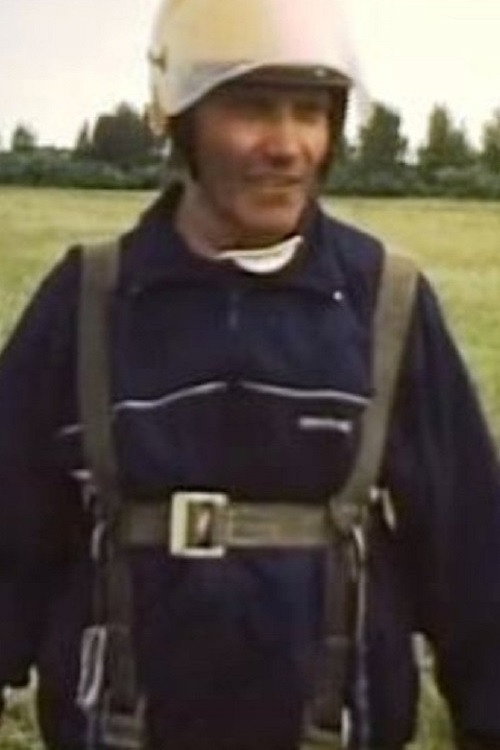
Fall of Ikar 2003
In the remote Siberian village of Khoroshee, an unlikely hero spends his days navigating the rugged wilderness as an ambulance driver. His real passion, however, lies in the skies, where a small plane parked at his gate tells the story of a dream deferred.
Director: Yury Shiller
Frequently Asked Questions
What is Fall of Ikar (2003) about?
The film follows an ambulance driver in a remote Siberian village, where a small plane at his gate symbolizes a past attempt to escape his earthbound life. It explores themes of ambition, failure, and the quiet resilience of those who never quite take off.
Who directed Fall of Ikar?
Yury Shiller directed *Fall of Ikar (2003)*. His documentary style brings a poetic, observational approach to this intimate tale of a man and his unfulfilled dreams.
Who stars in Fall of Ikar?
The film centers on an unnamed ambulance driver, whose story is the heart of the documentary. Cast details beyond the protagonist are not listed.
Is Fall of Ikar (2003) worth watching?
While *Fall of Ikar (2003)* is unrated, its documentary style and atmospheric storytelling make it a compelling watch for fans of quiet, introspective cinema. At just 31 minutes, it's a brief but impactful exploration of ambition and place.
How long is Fall of Ikar?
*Fall of Ikar (2003)* runs for 31 minutes.
About Fall of Ikar (2003) — A Siberian Dream Caught Between Earth and Sky
In the remote Siberian village of Khoroshee, an unlikely hero spends his days navigating the rugged wilderness as an ambulance driver. His real passion, however, lies in the skies, where a small plane parked at his gate tells the story of a dream deferred. Yury Shiller's *Fall of Ikar (2003)* is a hauntingly poetic documentary that blends the stark beauty of the Siberian outback with the quiet despair of unfulfilled ambition. With its minimalist storytelling and atmospheric visuals, the film captures the essence of a man caught between the earth and the sky, where every takeoff is both a promise and a fall.
This 31-minute gem balances intimacy and isolation, painting a portrait of resilience in the face of failure. Shiller's lens lingers on the sparse landscapes and quiet moments, transforming a forgotten corner of the world into a canvas for introspection. *Fall of Ikar (2003)* isn't just about a plane or a man—it's about the weight of dreams that refuse to stay grounded.