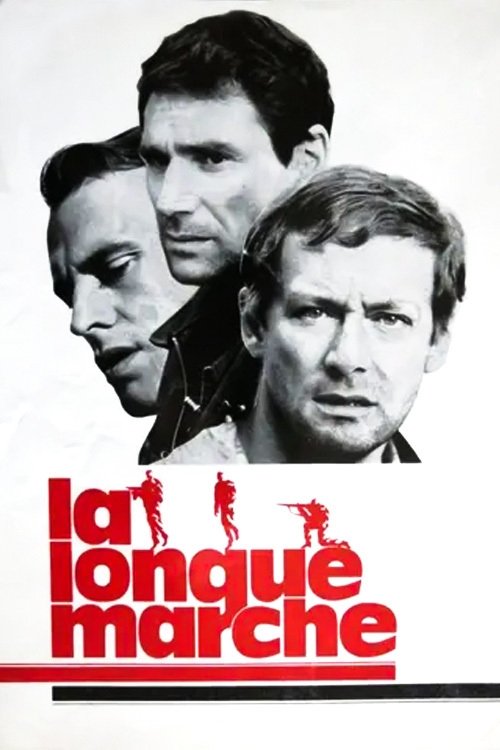
Long March 1966
Long March (1966), directed by Alexandre Astruc, plunges viewers into the tense atmosphere of occupied France in June 1944. The story follows Dr.
Director: Alexandre Astruc
Cast

Frequently Asked Questions
What is Long March (1966) about?
Set in June 1944, the film centers on Dr. Chevalier, a reluctant medic forced to treat a wounded resistance fighter in a maquis camp. Trapped between his ethical duties and his disdain for the resistance, Chevalier's loyalties are tested under the suspicious gaze of its leaders. The story unfolds amid moral uncertainty and the harsh realities of guerrilla warfare.
Who directed Long March?
Long March (1966) was directed by Alexandre Astruc, a filmmaker known for his introspective and stylistically rich approach to historical and political narratives.
Who stars in Long March?
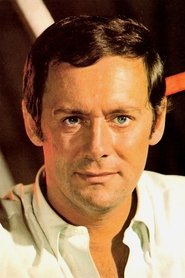
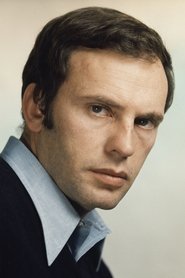
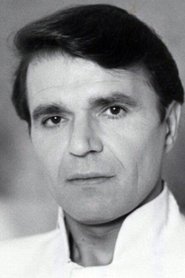
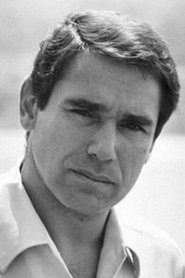
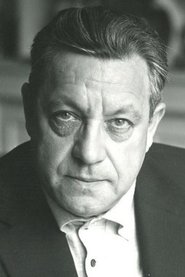
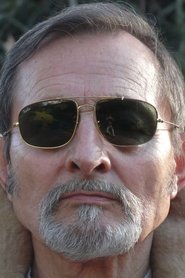
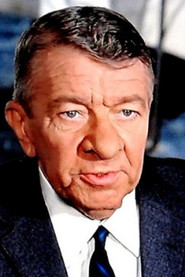
The film features Maurice Ronet, Jean-Louis Trintignant, Jean-Pierre Kalfon, Robert Hossein, and Paul Frankeur in pivotal roles that shape its tense narrative.
Is Long March (1966) worth watching?
As a 1960s French drama war film, Long March offers a compelling, character-driven exploration of moral conflict and resistance. While it lacks a formal IMDb rating, its themes and Astruc's direction make it a compelling watch for fans of historical dramas with psychological depth.
How long is Long March?
Long March (1966) has a runtime of 90 minutes.
About Long March (1966) — Moral Dilemmas and Resistance in WWII Drama
Long March (1966), directed by Alexandre Astruc, plunges viewers into the tense atmosphere of occupied France in June 1944. The story follows Dr. Chevalier, a reluctant young physician coerced by armed resistance fighters to tend to a wounded man—Morel, a former minister hiding under an alias. With suspicion hanging heavy in the maquis camp, Chevalier's disdain for the resistance clashes with the group's militant resolve. As he grapples with ethical dilemmas under the watchful eyes of maquis leaders Carnot and Philippe, the doctor's loyalties are tested against the backdrop of guerrilla warfare and rural survival. The film weaves themes of moral ambiguity, survival, and the cost of resistance into a gripping drama of war-time choices.
Astruc crafts a claustrophobic narrative where trust is scarce and every decision could mean life or death. The confined setting of the maquis camp intensifies the psychological tension, as Chevalier's medical oath collides with the harsh realities of the resistance movement. With sharp performances from Maurice Ronet and Jean-Louis Trintignant, Long March (1966) offers a nuanced exploration of collaboration, conviction, and the blurred lines between enemy and ally during one of history's most turbulent eras.