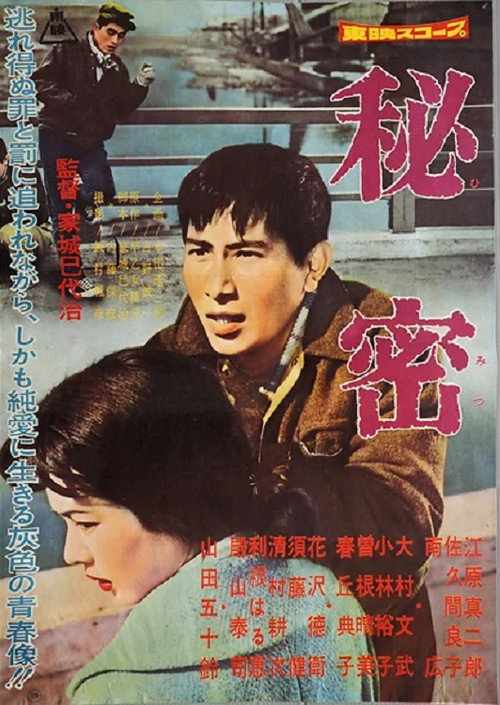
Secret 1960
Secret (1960), a quietly intense drama from director Miyoji Ieki, unfolds like a shadowy confession in post-war Japan.
Director: Miyoji Ieki
Cast
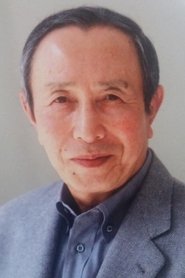
Shinjirō Ehara

Yoshiko Sakuma
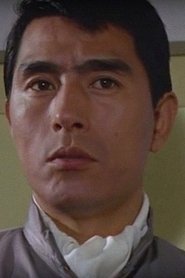
Hiroshi Minami
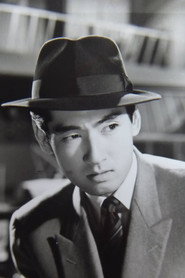
Fumitake Ōmura
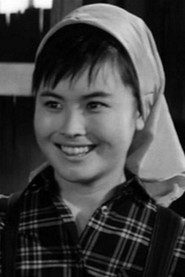
Yuko Kobayashi

Harumi Sone
Noriko Haruoka
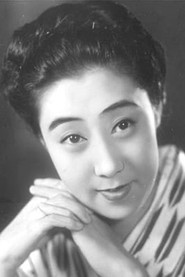
Isuzu Yamada
Koji Komori
Keiko Tsukimura
Frequently Asked Questions
What is Secret (1960) about?
Secret (1960) delves into the lives of ordinary people forced to confront long-buried truths that threaten their fragile stability. At its heart, the film follows a group of neighbors whose relationships unravel as long-held secrets surface, revealing the personal and social cost of dishonesty.
Who directed Secret?
Secret (1960) was directed by Miyoji Ieki, a filmmaker known for his nuanced approach to character-driven dramas in post-war Japan.
Who stars in Secret?
The film features standout performances from Shinjirō Ehara, Yoshiko Sakuma, and Hiroshi Minami, along with Fumitake Ōmura and Yuko Kobayashi.
Is Secret (1960) worth watching?
Despite its unrated status on IMDb, Secret is a hidden gem for fans of slow-burning dramas with emotional depth. Its exploration of human frailty and the consequences of secrecy offers a rewarding experience for those who appreciate atmospheric storytelling and authentic performances.
How long is Secret?
Secret has a runtime of 83 minutes.
About Secret (1960) — A Hidden Truth Unfolds in Post-War Japanese Drama
Secret (1960), a quietly intense drama from director Miyoji Ieki, unfolds like a shadowy confession in post-war Japan. Through sensitive performances by Shinjirō Ehara and Yoshiko Sakuma, the film explores the weight of hidden emotions and the fragile balance between truth and silence. Set against a backdrop of economic uncertainty and shifting social norms, it captures the inner struggles of characters grappling with personal secrets that threaten to unravel their lives. The black-and-white cinematography enhances the somber mood, creating an atmosphere of quiet despair and fleeting hope. As relationships strain under the pressure of unspoken words, the story asks whether some truths are better left buried or if honesty is the only path to redemption.
Ieki's restrained direction lends the narrative a documentary-like authenticity, focusing on raw human dilemmas rather than dramatic flourishes. The film's brevity belies its emotional depth, weaving themes of guilt, duty, and the cost of concealment into a poignant character study. Secret remains a compelling snapshot of mid-century Japanese society, where appearances often clash with reality, and the past refuses to stay hidden.