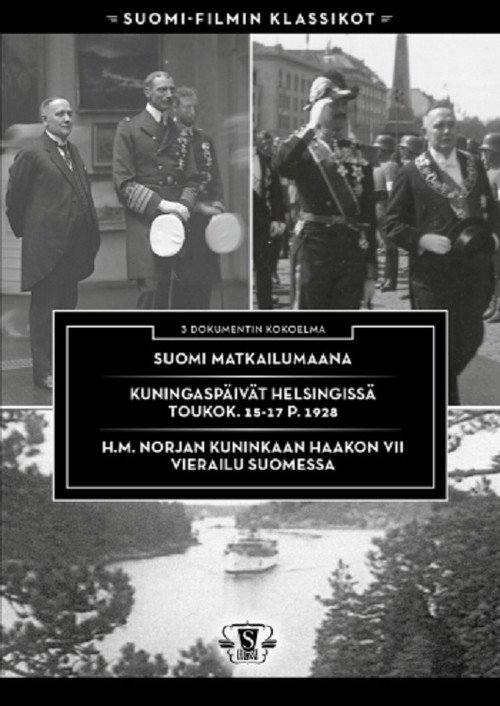
Kuningaspäivät Helsingissä toukok. 15-17 p. 1928 1928
Step back to 1928 with *Kuningaspäivät Helsingissä toukok. 15-17 p. 1928*, a fascinating Finnish documentary that captures the regal visit of Denmark's King Christian X to Helsinki over three days in May.
Frequently Asked Questions
What is *Kuningaspäivät Helsingissä toukok. 15-17 p. 1928* (1928) about?
This 1928 Finnish documentary films King Christian X of Denmark's three-day state visit to Helsinki in May, showcasing his engagements at art museums, a Lotta Svärd field camp, and a festive church service, capturing the cultural and diplomatic atmosphere of the era.
Who directed *Kuningaspäivät Helsingissä toukok. 15-17 p. 1928*?
Director information is not available.
Who stars in *Kuningaspäivät Helsingissä toukok. 15-17 p. 1928*?
The documentary features King Christian X of Denmark, though full cast details from the film are not recorded.
Is *Kuningaspäivät Helsingissä toukok. 15-17 p. 1928* (1928) worth watching?
As a historical document in the documentary genre, it offers a rare look at 1920s Finnish society and royal diplomacy. While not a narrative film, its cultural value and archival significance make it intriguing for history and film enthusiasts, despite its age and lack of rating.
How long is *Kuningaspäivät Helsingissä toukok. 15-17 p. 1928*?
Runtime details are not listed.
About Kuningaspäivät Helsingissä toukok. 15-17 p. 1928 (1928) — A royal visit preserved in 1920s Finnish documentary film
Step back to 1928 with *Kuningaspäivät Helsingissä toukok. 15-17 p. 1928*, a fascinating Finnish documentary that captures the regal visit of Denmark's King Christian X to Helsinki over three days in May. Directed by the Suomi-Filmi studio, this historical record immerses viewers in the elegance and civic pride of interwar Finland, as the monarch explores art museums, reviews the Lotta Svärd volunteer corps, and participates in a grand service at the Great Church. The film radiates a sense of national celebration and diplomatic warmth, offering a rare glimpse into a bygone era. While the director's name remains unknown, the documentary stands as a cultural artifact of its time, blending formal pageantry with everyday life under a Nordic summer sky.
Though it's a silent-era record with no cast credits preserved, *Kuningaspäivät Helsingissä toukok. 15-17 p. 1928 (1928)* endures as a visual time capsule. It's a quiet but powerful testament to early cinema's role in documenting history, perfect for film historians and anyone drawn to the interplay between monarchy and modernity in 1920s Europe.