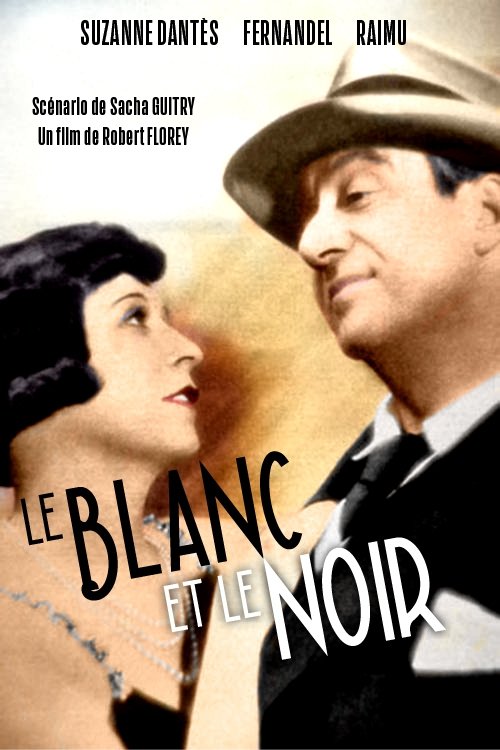
Black and White 1931
Directed by the inventive Robert Florey, *Black and White (1931)* is a daring pre-Code comedy that dives into the complexities of love, reputation, and societal judgment during the Jazz Age.
Director: Robert Florey
Cast






Frequently Asked Questions
What is Black and White (1931) about?
This 1931 comedy-drama follows a woman whose brief affair with an entertainer leads to unexpected consequences when she gives birth to a child with a different appearance, threatening her marriage and social standing. Directed by Robert Florey, the film uses its premise to critique the rigid morals and racial prejudices of the era.
Who directed Black and White?
The film was directed by Robert Florey, a French-American filmmaker celebrated for his innovative visual storytelling and willingness to tackle controversial themes in his work.
Who stars in Black and White?
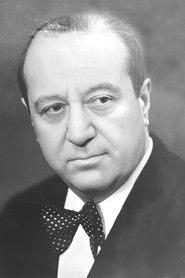
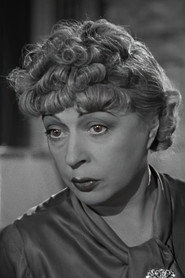
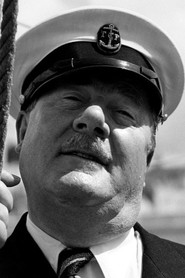
The film features Raimu, Suzanne Dantès, André Alerme, Irène Wells, and Pauline Carton in key roles that drive the story's emotional and comedic weight.
Is Black and White (1931) worth watching?
As a pre-Code comedy with a provocative premise, *Black and White (1931)* offers more than just nostalgia—it's a snapshot of a society grappling with change. While dated in some ways, its themes of judgment and resilience still resonate today, making it a fascinating watch for fans of early cinema and social commentary.
How long is Black and White?
The film runs for 106 minutes, or approximately 1 hour and 46 minutes.
About Black and White (1931) — A 1930s Comedy That Challenges Society's Darkest Biases
Directed by the inventive Robert Florey, *Black and White (1931)* is a daring pre-Code comedy that dives into the complexities of love, reputation, and societal judgment during the Jazz Age. The story unfolds when a brief encounter with a charismatic performer spirals into a scandal that threatens to unravel a woman's marriage, especially after the birth of a child with a dramatically different appearance. Florey, known for his sharp visual style and bold storytelling, crafts a narrative that balances biting social commentary with moments of lighthearted wit, all set against the backdrop of a society obsessed with appearances and moral hypocrisy. With Raimu's magnetic presence leading the cast, the film explores themes of race, class, and the fragility of personal relationships in a world quick to condemn.
At its heart, *Black and White (1931)* is a provocative reflection on how quickly lives can be upended by prejudice and rumor, all wrapped in the glossy sheen of early 30s cinema. The film's tone oscillates between playful comedy and tense drama, offering audiences a glimpse into an era when the boundaries of acceptable storytelling were still being pushed. The performances, particularly from Suzanne Dantès and Irène Wells, bring depth to the characters, making their struggles feel both timeless and distinctly rooted in the attitudes of their time.