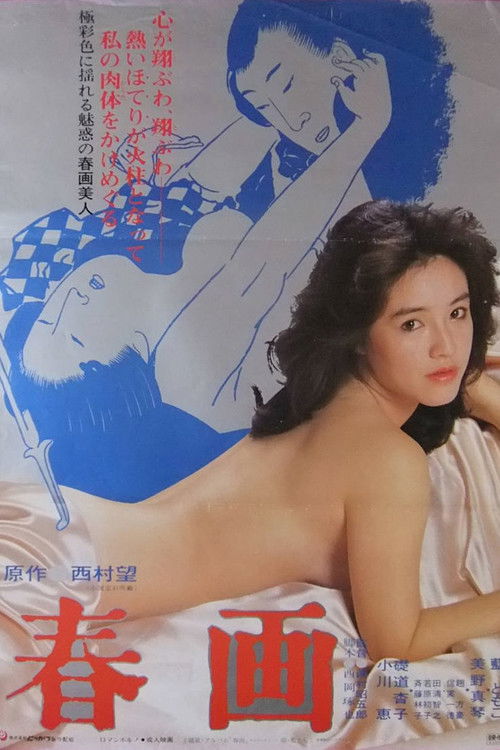
Shunga 1983
"My heart is flying, flying"
Set in the 1980s, Shunga (1983) is a thought-provoking drama that delves into the complexities of the human psyche. Director Shōgorō Nishimura masterfully weaves together a narrative that explores themes of trauma, relationships, and the blurred lines between reality and fantasy.
Director: Shōgorō Nishimura
Cast



Frequently Asked Questions
What is Shunga (1983) about?
Shunga is a thought-provoking drama that explores themes of trauma, relationships, and the complexities of the human psyche, all set against a backdrop of moral ambiguity.
Who directed Shunga?
Shunga was directed by the talented Shōgorō Nishimura.
Who stars in Shunga?
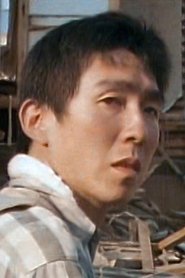
The film boasts an impressive cast, including Tomoko Ai, Makoto Yoshino, and Kazunori Nobuzane.
Is Shunga (1983) worth watching?
While Shunga's unrated status may deter some viewers, fans of Japanese cinema and drama enthusiasts will find much to appreciate in this thought-provoking film. With its unique blend of psychological insight and atmospheric tension, Shunga is a must-see for those willing to confront its complex themes.
How long is Shunga?
Shunga has a runtime of 73 minutes.
About Shunga (1983) — A Haunting Drama of Desire and Deception
Set in the 1980s, Shunga (1983) is a thought-provoking drama that delves into the complexities of the human psyche. Director Shōgorō Nishimura masterfully weaves together a narrative that explores themes of trauma, relationships, and the blurred lines between reality and fantasy. The film's atmospheric tension is palpable, drawing the viewer into a world of moral ambiguity. With a runtime of 73 minutes, Shunga is a concise yet impactful cinematic experience that will leave audiences pondering its thought-provoking themes long after the credits roll. The film's use of obscene woodblock prints serves as a potent metaphor for the darker aspects of human nature, adding a layer of depth to the story. As the characters navigate their complicated lives, the viewer is forced to confront the harsh realities of their own desires and motivations.
Shunga (1983) boasts an impressive cast, including Tomoko Ai, Makoto Yoshino, and Kazunori Nobuzane. The film's genre classification as a drama is well-deserved, given its thoughtful exploration of the human condition. With its unique blend of psychological insight and atmospheric tension, Shunga is a must-see for fans of Japanese cinema and drama enthusiasts alike.
In the hands of a skilled director like Shōgorō Nishimura, the complex themes and characters of Shunga come together to create a truly unforgettable viewing experience. With its thought-provoking narrative and memorable performances, Shunga (1983) is a film that will linger in the viewer's mind for days to come.