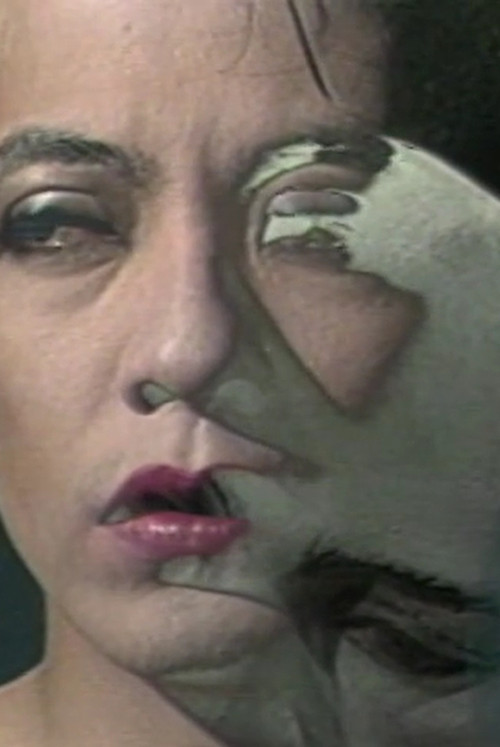
Mayami: Between Cut and Action 1986
Dive into the surreal world of *Mayami: Between Cut and Action* (1986), Tony Labat's daring 14-minute short film that blurs the lines between illusion and reality.
Director: Tony Labat
Frequently Asked Questions
What is Mayami: Between Cut and Action (1986) about?
Tony Labat's experimental short deconstructs the exaggerated portrayals of Latino drug dealers in *Miami Vice*, blending fragmented storytelling with theatrical performance. The film uses a studio setting as a metaphor for the gap between reality and its mediated representations.
Who directed Mayami: Between Cut and Action?
The film was directed by Tony Labat, a pioneering figure in experimental and conceptual art whose work often critiques media and cultural stereotypes.
Who stars in Mayami: Between Cut and Action?
Notable figures in the film include artists Tony Oursler and Winston Tong, who contribute commentary and performances that deepen the film's themes of identity and transformation.
Is Mayami: Between Cut and Action (1986) worth watching?
While it's a short film from the mid-80s, its sharp critique of media representation and experimental style make it a fascinating watch for fans of avant-garde cinema. It's a niche find, but one that rewards with its bold visuals and intellectual depth.
How long is Mayami: Between Cut and Action?
The film runs for 14 minutes.
About Mayami: Between Cut and Action (1986) — Exploring identity, media myths, and the art of deception
Dive into the surreal world of *Mayami: Between Cut and Action* (1986), Tony Labat's daring 14-minute short film that blurs the lines between illusion and reality. This experimental piece dissects the stereotypes of Latino culture in media, particularly TV's *Miami Vice*, by weaving together fragmented narratives, theatrical performance, and mass cultural critique.
Set in a studio limbo—caught between the director's command of 'cut' and the actors' 'action'—the film becomes a psychological drama where identity dissolves into disguise. Artists Tony Oursler and Winston Tong add layers of commentary, turning the screen into a hall of mirrors where art, appropriation, and authenticity collide. The result is a visually striking meditation on representation, challenging viewers to question how reality is constructed—and who controls the narrative.