Poručík Alexander Rjepkin 1937
Set against the sultry summer of 1916, Poručík Alexander Rjepkin (1937) plunges viewers into a tense drama of war and moral conflict.
Director: Václav Binovec
Cast





Frequently Asked Questions
What is Poručík Alexander Rjepkin (1937) about?
The film follows a dying Russian officer during WWI who requires a rare blood transfusion to survive. A prejudiced German nurse with compatible blood holds the key—but she refuses out of hatred. As ethical duty clashes with wartime prejudice, the story becomes a heartfelt plea for humanity.
Who directed Poručík Alexander Rjepkin?
Václav Binovec, a noted Czech filmmaker, directed Poručík Alexander Rjepkin in 1937.
Who stars in Poručík Alexander Rjepkin?
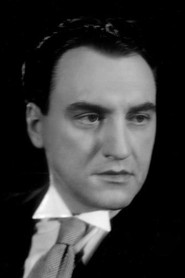
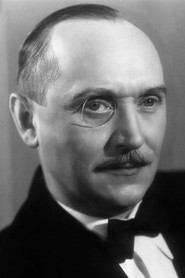
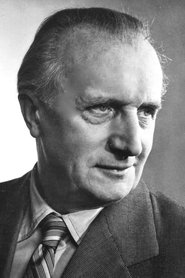
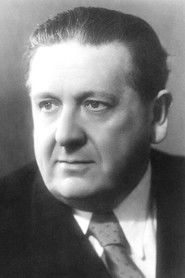
The film stars Vladimír Borský as the titular officer, Adina Mandlová as the conflicted nurse, and František Kreuzmann, František Smolík, and Truda Grosslichtová in supporting roles.
Is Poručík Alexander Rjepkin (1937) worth watching?
Though unrated on IMDb, Poručík Alexander Rjepkin offers a compelling blend of historical drama and moral dilemma. Its themes of compassion under pressure remain resonant, making it a thoughtful choice for fans of period war films or character-driven storytelling.
How long is Poručík Alexander Rjepkin?
Runtime details are not listed.
Poručík Alexander Rjepkin (1937): A Wartime Drama of Blood, Duty, and Compassion
Set against the sultry summer of 1916, Poručík Alexander Rjepkin (1937) plunges viewers into a tense drama of war and moral conflict. Directed by Václav Binovec, this Czechoslovak wartime film follows a gravely ill Russian prisoner of war whose life hangs in the balance after arriving in Brno for medical treatment. As his condition worsens, a rare blood transfusion becomes his only hope—but the only compatible donor, German nurse Mathilda, harbors deep prejudice against Slavs. With the hospital under pressure and time running out, duty clashes with hatred in this gripping tale of compassion amid wartime brutality. Cinematographed with a gritty, period authenticity, the film explores themes of nationalism, humanity, and the fragile threads that connect strangers across enemy lines.
The atmosphere is suffused with quiet urgency, as the chasm between duty and emotion is tested in every tense exchange. As Mathilda grapples with her ingrained hostility and the hospital staff navigates protocol and compassion, the story becomes a poignant meditation on what it means to see past hatred in the face of shared humanity. Poručík Alexander Rjepkin (1937) is more than a war drama—it's a human drama, where the battlefield is not just the front, but the conscience.