Comédie 1966
Comédie (1966) is a striking 20-minute French experimental short that transforms Samuel Beckett's 1963 play into a visually arresting, black-and-white experience.
Director: Jean-Marie Serreau
Cast


Frequently Asked Questions
What is Comédie (1966) about?
Comédie distills Samuel Beckett's play into a 20-minute visual and auditory experiment, stripping away conventional dialogue to focus on the interplay between three characters and their environment. The film uses light, sound, and performance to explore themes of isolation, communication, and existential weight.
Who directed Comédie?
Jean-Marie Serreau directed Comédie (1966), bringing a meticulous, atmospheric approach to Beckett's experimental work.
Who stars in Comédie?
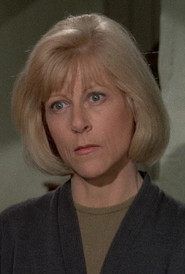
The film features Eléonore Hirt, Michael Lonsdale, and Delphine Seyrig, three celebrated French actors who bring depth and intensity to the sparse but powerful production.
Is Comédie (1966) worth watching?
Comédie is a niche but rewarding experience for fans of avant-garde cinema, particularly those fascinated by Beckett's existential themes and visual storytelling. With its short runtime and experimental style, it offers a unique, thought-provoking 20 minutes rather than conventional entertainment.
How long is Comédie?
Comédie (1966) has a runtime of 20 minutes.
About Comédie (1966) — Beckett's Minimalist Short Explored in Striking Black-and-White
Comédie (1966) is a striking 20-minute French experimental short that transforms Samuel Beckett's 1963 play into a visually arresting, black-and-white experience. Directed by Jean-Marie Serreau, the film strips narrative to its essence, focusing on interplay of light, shadow, and sound to evoke quiet tension and existential reflection. With a cast featuring Eléonore Hirt, Michael Lonsdale, and Delphine Seyrig, the production leans into stark minimalism, crafting an atmosphere that lingers long after the credits roll. Premiered at the 1966 Venice Biennale, it stands as a testament to avant-garde storytelling and the power of silence within the moving image.
This short film defies convention by prioritizing mood over plot, inviting viewers to engage with the raw textures of performance rather than traditional dialogue. The interplay between the three actors creates a dynamic, almost rhythmic dynamic, while Serreau's direction ensures every frame feels deliberate. Comédie (1966) is less a story and more a meditation on presence, absence, and the unspoken tensions between characters—an experience tailored for those drawn to bold, thought-provoking cinema.