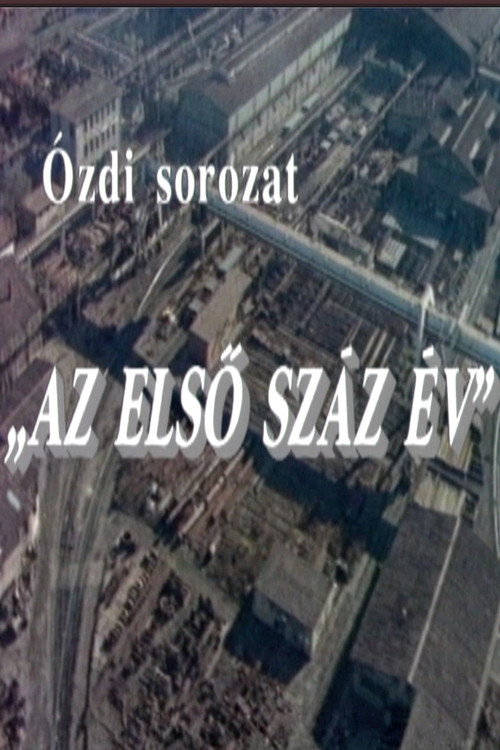
Az első száz év 1988
Step into the somber world of Tamás Almási's *Az első száz év (1988)*, a poignant 69-minute documentary that captures the quiet collapse of Ózd's once-thriving factories.
Director: Tamás Almási
Frequently Asked Questions
What is Az első száz év (1988) about?
This documentary by Tamás Almási documents the closure of factories in Ózd, Hungary, capturing the emotional and economic impact on the community. It blends archival footage with firsthand accounts to tell a story of change and resilience.
Who directed Az első száz év?
Tamás Almási directed *Az első száz év*. Known for his socially conscious films, Almási's work often explores themes of labor, identity, and cultural shifts in Hungary.
Who stars in Az első száz év?
Cast information is not listed for this documentary.
Is Az első száz év (1988) worth watching?
As a documentary focused on social and industrial themes, *Az első száz év* offers a compelling look at Hungary's economic history. While it may not have a wide commercial appeal, its raw authenticity and historical relevance make it a must-see for fans of the genre.
How long is Az első száz év?
The runtime of *Az első száz év* is 69 minutes.
About Az első száz év (1988) — A poignant documentary on Ózd's factory closures
Step into the somber world of Tamás Almási's *Az első száz év (1988)*, a poignant 69-minute documentary that captures the quiet collapse of Ózd's once-thriving factories. Almási, known for his insightful social portraits, turns his lens on the fading industrial heart of Hungary as machinery rusts and jobs vanish, leaving behind hollowed-out buildings and uncertain futures. The film exudes a melancholic beauty, weaving archival footage with stark interviews to paint a portrait of transition, resilience, and the human cost of progress.
A snapshot of a bygone era, *Az első száz év* lingers on the stories of workers and communities left behind by economic upheaval. The documentary's atmosphere is one of nostalgia and muted urgency, reflecting the emotional weight of watching an entire way of life slip away. Whether you're a history buff or a fan of socially conscious cinema, this film offers a gripping glimpse into the complexities of industrial decline and the spirit of those who lived it.