
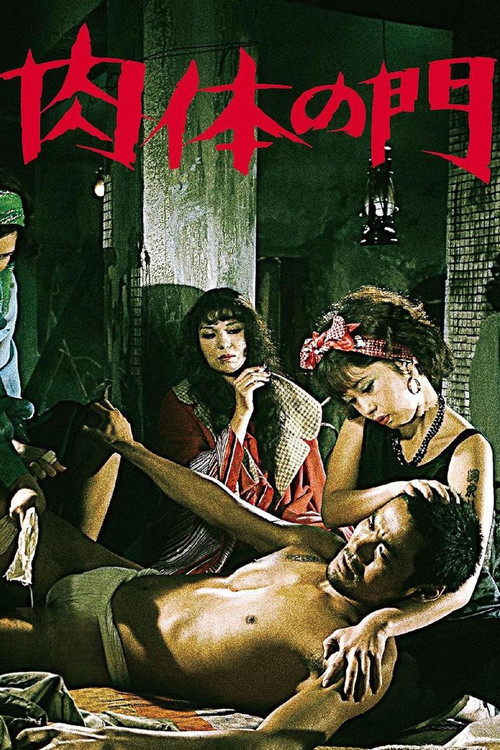
Gate of Flesh 1977
Gate of Flesh (1977), directed by Shōgorō Nishimura, immerses viewers in the raw, post-war Tokyo district of Yuraku-cho, where survival meant reinvention. The film follows women who once lived sheltered lives but now confront the harsh realities of a world reshaped by conflict.
Director: Shōgorō Nishimura
Cast

Reiko Kayama
Maya

Miyako Yamaguchi
Sen

Izumi Shima
Mino

Tokuko Watanabe
Oroku
Seiji Endō
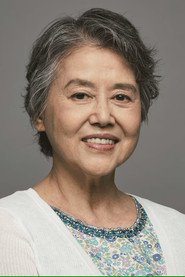
Rei Okamoto
Prostitute A
Kenji Shiiya
Asai
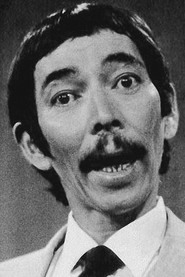
Akira Ōizumi
Furuta
Kenji Shimamura
Farmer
Maya Kudô
Prostitute D
Frequently Asked Questions
What is Gate of Flesh (1977) about?
Gate of Flesh (1977) paints a vivid portrait of women navigating life in post-war Tokyo's Yuraku-cho district. Their sheltered pasts collide with the brutal present, forcing them to adapt and endure as they seek meaning in a fractured world.
Who directed Gate of Flesh?
Gate of Flesh was directed by Shōgorō Nishimura, whose work focuses on human resilience in challenging settings.
Who stars in Gate of Flesh?
The film features standout performances from Reiko Kayama, Miyako Yamaguchi, Izumi Shima, Tokuko Watanabe, and Rei Okamoto.
Is Gate of Flesh (1977) worth watching?
As a drama that captures the spirit of post-war transformation, Gate of Flesh offers a compelling narrative and strong performances. While IMDb ratings may vary, its themes resonate with fans of historical dramas and character-driven storytelling.
How long is Gate of Flesh?
Gate of Flesh has a runtime of 97 minutes.
About Gate of Flesh (1977) — Post-war Tokyo's gritty, emotional drama uncovered
Gate of Flesh (1977), directed by Shōgorō Nishimura, immerses viewers in the raw, post-war Tokyo district of Yuraku-cho, where survival meant reinvention. The film follows women who once lived sheltered lives but now confront the harsh realities of a world reshaped by conflict. Their stories unfold against the gritty backdrop of a society rebuilding itself, revealing the quiet resilience and fierce determination that defined a generation.
With Nishimura's sensitive direction, the drama explores themes of endurance and transformation, portraying how these women navigate love, loss, and the fight for dignity in a society that demands change. Performances by Reiko Kayama, Miyako Yamaguchi, and Izumi Shima anchor the narrative, capturing the emotional depth and complexity of their struggles in this compelling post-war tale.