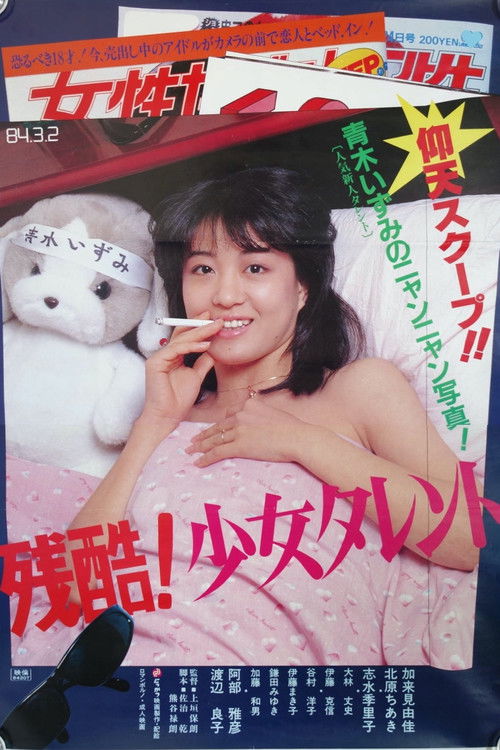
Zankoku! Shōjo tarento 1984
In *Zankoku! Shōjo tarento* (1984), a young woman's life takes a dramatic turn after her appearance on a television program catapults her into the glittering but cutthroat world of advertising idols.
Director: Yasuaki Uegaki
Cast




Frequently Asked Questions
What is Zankoku! Shōjo tarento (1984) about?
A young woman unexpectedly becomes an advertising idol after appearing on a TV show, sparking jealousy and conflict with her boyfriend. The film dives into the pressures of sudden fame and the personal toll it takes on relationships.
Who directed Zankoku! Shōjo tarento?
Yasuaki Uegaki directed *Zankoku! Shōjo tarento*, bringing a keen eye to its drama-centered narrative.
Who stars in Zankoku! Shōjo tarento?
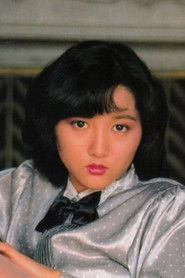
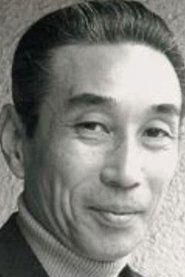
The film features Yuka Kakumi, Chiaki Kitahara, Kiriko Shimizu, Takeshi Ōbayashi, and Katsunobu Ito in key roles.
Is Zankoku! Shōjo tarento (1984) worth watching?
For fans of 1980s drama and character-driven stories, *Zankoku! Shōjo tarento* offers a compelling snapshot of ambition and sacrifice. Its concise runtime and focus on personal drama make it a niche but intriguing watch.
How long is Zankoku! Shōjo tarento?
Zankoku! Shōjo tarento runs for 68 minutes.
Zankoku! Shōjo tarento (1984): A Dramatic Tale of Fame and Heartbreak — Full Movie Info
In *Zankoku! Shōjo tarento* (1984), a young woman's life takes a dramatic turn after her appearance on a television program catapults her into the glittering but cutthroat world of advertising idols. Directed by Yasuaki Uegaki, this 68-minute drama explores the tension between ambition and personal relationships as her boyfriend grapples with the sudden fame that threatens their bond. The film captures the neon-lit energy of the era, blending societal pressures with the allure of stardom in a story that feels both intimate and sharply observed.
Fueled by the era's obsession with pop culture and consumerism, *Zankoku! Shōjo tarento* examines the sacrifices and compromises young women faced when stepping into the spotlight. With a raw, unflinching tone, Uegaki crafts a narrative that's as much about the cost of dreams as it is about the fleeting nature of youthful glamour.