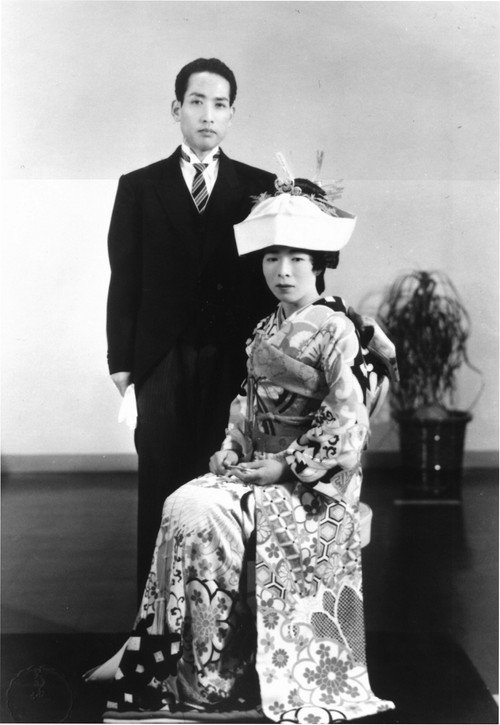
The Good Wife of Tokyo 1993
Directed by the acclaimed Kim Longinotto, *The Good Wife of Tokyo (1993)* follows Kazuko Hohki as she returns to her homeland after 15 years abroad with her band, the Frank Chickens.
Director: Kim Longinotto
Cast
Frequently Asked Questions
What is The Good Wife of Tokyo (1993) about?
This 53-minute documentary follows Kazuko Hohki as she returns to Tokyo after 15 years in England with her band, the Frank Chickens. The film contrasts traditional Japanese expectations of women with the modern aspirations of her friends, offering a delightful yet thoughtful exploration of cultural identity.
Who directed The Good Wife of Tokyo?
The film was directed by Kim Longinotto, a filmmaker known for her insightful and engaging documentary portraits.
Who stars in The Good Wife of Tokyo?
The film stars Kazuko Hohki, Yukiko Hohki, Chika Nakagawa, and Grant Showbiz, with Hohki's personal journey as the focal point.
Is The Good Wife of Tokyo (1993) worth watching?
With its sharp observations and engaging storytelling, *The Good Wife of Tokyo* is a hidden gem for documentary lovers. Its blend of humor, cultural insight, and personal reflection makes it a worthwhile watch for fans of intimate, thought-provoking films.
How long is The Good Wife of Tokyo?
The runtime is 53 minutes.
About The Good Wife of Tokyo (1993) — A Cultural Homecoming in Documentary Form
Directed by the acclaimed Kim Longinotto, *The Good Wife of Tokyo (1993)* follows Kazuko Hohki as she returns to her homeland after 15 years abroad with her band, the Frank Chickens. This charming documentary captures her re-entry into Tokyo's vibrant yet complex culture, blending humor with poignant observations about identity and tradition.
Through Kazuko's journey, the film explores the contrasting expectations placed on women in Japan—both the traditional roles and the emerging desires for independence among her peers. Longinotto's keen eye for detail and sharp wit turn this cultural reunion into a captivating reflection on homecoming, societal change, and the universal struggle to find one's place.