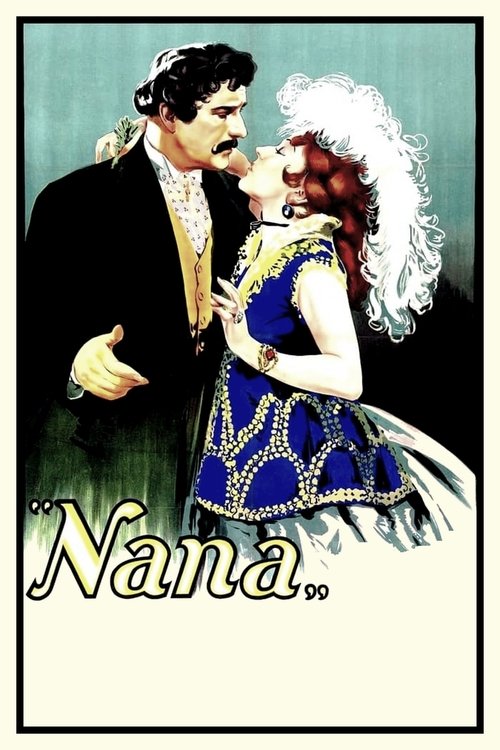
Nana 1926
Jean Renoir's silent-era drama *Nana (1926)* immerses viewers in the glittering yet morally murky world of Parisian theater in the late 19th century. The film follows the rise and fall of Nana, a dazzling stage actress whose ambition burns as brightly as her reckless charm.
Director: Jean Renoir
Cast



Frequently Asked Questions
What is *Nana (1926)* about?
*Nana (1926)* chronicles the tumultuous journey of Nana, a magnetic but morally ambiguous stage actress whose ruthless pursuit of fame and fortune upends the lives of those who adore her. As Count Moffat becomes ensnared in her web, Nana's descent into decadence and self-destruction paints a vivid portrait of ambition's dark underbelly in Paris's glittering theater scene.
Who directed *Nana*?
*Nana (1926)* was directed by Jean Renoir, a pioneer of French cinema whose keen eye for human drama and social critique helped shape modern filmmaking.
Who stars in *Nana*?
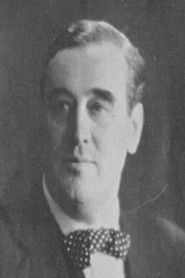
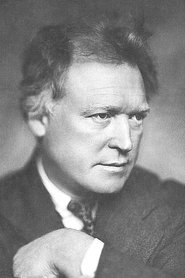
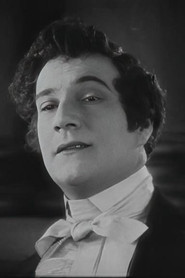
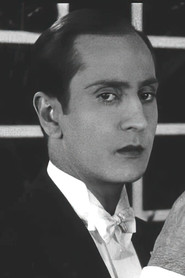
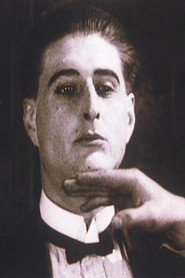
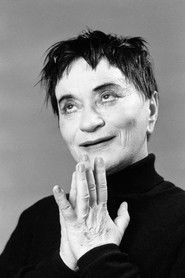
The film stars Catherine Hessling as Nana, with Pierre Lestringuez, Jacqueline Forzane, Werner Krauss, and Jean Angelo rounding out the principal cast.
Is *Nana (1926)* worth watching?
As a silent-era drama, *Nana (1926)* offers a rare glimpse into early cinema's ability to convey raw emotion through visual storytelling. While it lacks modern pacing, its themes of ambition and corruption remain timeless, making it a compelling watch for fans of classic French film and period dramas.
How long is *Nana*?
The runtime of *Nana (1926)* is 168 minutes, or just under three hours, offering an immersive cinematic experience.
About Nana (1926) — The Silent Drama That Redefined Glamour and Despair
Jean Renoir's silent-era drama *Nana (1926)* immerses viewers in the glittering yet morally murky world of Parisian theater in the late 19th century. The film follows the rise and fall of Nana, a dazzling stage actress whose ambition burns as brightly as her reckless charm. Seductive and unapologetically ruthless, she navigates a web of admirers—including the besotted Count Moffat—while clawing her way to the top of high society. As her hunger for fame and power escalates, so does her capacity for manipulation, revealing the hollow core beneath her glamorous facade. Renoir's masterful direction weaves a cautionary tale about ambition, vanity, and the cost of selling one's soul for the spotlight.
With its richly textured cinematography and emotionally charged performances, *Nana (1926)* captures the decadence of an era where beauty and scandal walked hand in hand. Catherine Hessling's portrayal of the titular character pulsates with fiery intensity, making her both irresistible and repellent—a woman who commands the screen as she does the fates of those around her. The film's atmospheric tension lingers long after the final scene, leaving audiences to ponder the true price of a dream built on others' misfortunes.