
Rambling in the Sea 1961
Dive into the seventh chapter of *The Wandering Guitarist* series with *Rambling in the Sea* (1961), a gritty Western infused with crime drama.
Director: Buichi Saitō
Cast
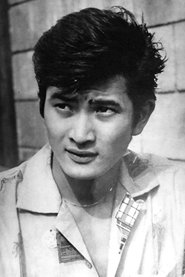
Akira Kobayashi

Ruriko Asaoka
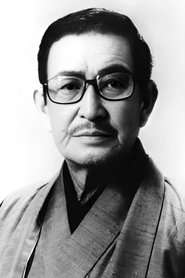
Shinsuke Ashida

Mari Shiraki

Kyōji Aoyama

Arihiro Fujimura
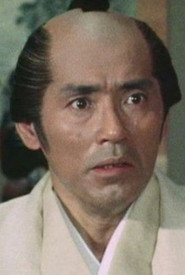
Gorō Tarumi

Eiji Gō

Yūko Kusunoki

Kyōsuke Machida
Frequently Asked Questions
What is Rambling in the Sea (1961) about?
This seventh installment of *The Wandering Guitarist* series follows a guitarist entangled in a web of crime and betrayal while roaming the seas. His guitar becomes a tool of both survival and self-expression, as he grapples with shifting loyalties and the ghosts of his past.
Who directed Rambling in the Sea?
Buichi Saitō, known for his atmospheric storytelling, directed *Rambling in the Sea*. His work often blends crime and Western genres, creating visually rich narratives.
Who stars in Rambling in the Sea?
The film stars Akira Kobayashi as the wandering guitarist, with Ruriko Asaoka, Shinsuke Ashida, Mari Shiraki, and Kyōji Aoyama rounding out the main cast.
Is Rambling in the Sea (1961) worth watching?
While unrated on IMDb, *Rambling in the Sea* offers a compelling mix of Western and crime drama, making it a hidden gem for fans of classic Japanese cinema. Its tight runtime and strong performances make it a worthy watch for genre enthusiasts.
How long is Rambling in the Sea?
The film runs for 79 minutes.
About Rambling in the Sea (1961) — Seventh Tale of The Wandering Guitarist's Crime-Stained Odyssey
Dive into the seventh chapter of *The Wandering Guitarist* series with *Rambling in the Sea* (1961), a gritty Western infused with crime drama. Directed by Buichi Saitō, this 79-minute noir-style adventure follows a lone guitarist navigating treacherous waters, where loyalty and betrayal collide against a backdrop of rugged landscapes and shadowy alliances. The film blends moral ambiguity with the raw energy of classic Japanese Westerns, creating an atmosphere thick with tension and melancholy.
Akira Kobayashi stars as the wandering protagonist, supported by a standout cast including Ruriko Asaoka and Shinsuke Ashida, whose performances ground the story in emotional depth. Themes of redemption and the cost of freedom ripple through the narrative, as the protagonist's musical talents become both a shield and a vulnerability. Saitō's direction lends a poetic yet hard-edged visual style, capturing the duality of solitude and companionship in a world where every choice could lead to downfall or escape.