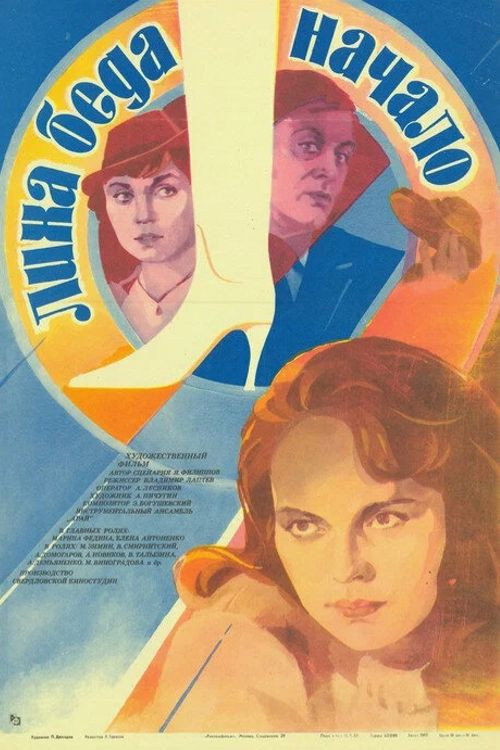
Well Begun Is Half Done 1985
In the Soviet-era drama *Well Begun Is Half Done* (1985), director Vladimir Laptev crafts a sharp, socially conscious story set in a newly opened communist youth shoe store.
Director: Vladimir Laptev
Cast






Frequently Asked Questions
What is Well Begun Is Half Done (1985) about?
This Soviet-era drama follows a group of young graduates who uncover corruption in the shoe industry when their store is flooded with defective products. Determined to expose the truth, they turn to the media to challenge a system driven by quotas rather than quality.
Who directed Well Begun Is Half Done?
Well Begun Is Half Done was directed by Vladimir Laptev, a filmmaker known for his socially conscious dramas set in the Soviet era.
Who stars in Well Begun Is Half Done?
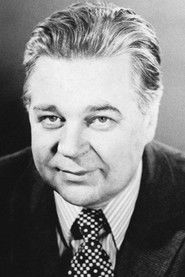
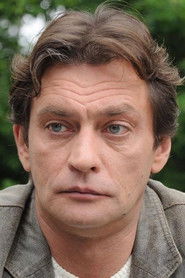
The film stars Marina Fedina as Tamara Berezina, alongside Yelena Antonenko, Mikhail Zimin, Valentin Smirnitskiy, and Alexandr Domogarov in key roles.
Is Well Begun Is Half Done (1985) worth watching?
While it hasn't been rated on IMDb, this Soviet drama offers a fascinating snapshot of 1980s youth culture and workplace challenges. Its themes of integrity and activism make it a compelling watch for fans of historical dramas and character-driven stories.
How long is Well Begun Is Half Done?
Well Begun Is Half Done has a runtime of 75 minutes.
About Well Begun Is Half Done (1985) — A 1980s Soviet youth drama about rebellion and responsibility
In the Soviet-era drama *Well Begun Is Half Done* (1985), director Vladimir Laptev crafts a sharp, socially conscious story set in a newly opened communist youth shoe store. Fresh out of school, Tamara Berezina and her young colleagues arrive for their first work assignment, only to confront the harsh realities of the Soviet service industry. When a nearby factory floods their store with defective shoes to meet unrealistic quotas, Tamara refuses to turn a blind eye, rallying her team to expose the corruption through the power of mass media. The film captures the idealism and frustration of a generation caught between bureaucratic inefficiency and personal integrity.
The atmosphere is tense yet spirited, blending workplace drama with youth activism, offering a rare glimpse into the challenges faced by young workers in an era of rigid quotas and state-controlled industries. Laptev's direction infuses the story with authenticity, highlighting the clash between duty and rebellion as Tamara and her friends navigate a system designed to prioritize numbers over quality.