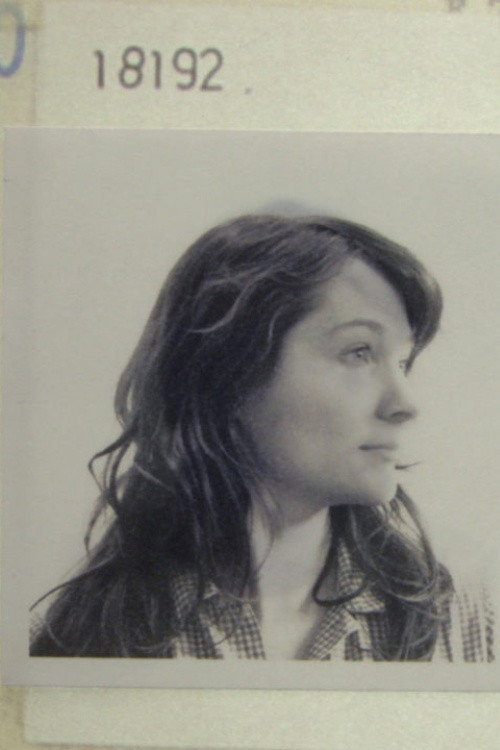
Meeting My Father Kasper Tophat 2011
In *Meeting My Father Kasper Tophat* (2011), Danish filmmaker Lea Glob confronts a haunting family mystery with raw honesty and poetic reflection.
Director: Lea Glob
Frequently Asked Questions
What is Meeting My Father Kasper Tophat (2011) about?
This intimate documentary follows filmmaker Lea Glob as she investigates the life of her estranged father, a former bank robber turned magician who took his own life after years in prison. Through personal reflection and archival material, the film traces her quest to understand the man behind the myths.
Who directed Meeting My Father Kasper Tophat?
Lea Glob directed this deeply personal documentary, blending her own story with the broader themes of family, loss, and redemption.
Who stars in Meeting My Father Kasper Tophat?
Director Lea Glob is the central figure in this documentary, with her father Kasper Tophat and prison records providing additional context.
Is Meeting My Father Kasper Tophat (2011) worth watching?
With its 29-minute runtime and grounded approach to documentary filmmaking, this film offers a moving exploration of identity and legacy. While unrated on IMDb, its intimate perspective makes it a compelling watch for fans of personal nonfiction storytelling.
How long is Meeting My Father Kasper Tophat?
Meeting My Father Kasper Tophat runs for 29 minutes.
About Meeting My Father Kasper Tophat (2011) — A Daughter's Search for Truth in a Life of Crime and Magic
In *Meeting My Father Kasper Tophat* (2011), Danish filmmaker Lea Glob confronts a haunting family mystery with raw honesty and poetic reflection.
When police inform her of her estranged father's suicide after years behind bars, Glob embarks on a deeply personal journey to piece together the life of a man who was both a notorious bank robber and a skilled magician. Blending documentary realism with intimate storytelling, the film explores themes of absence, legacy, and the fragmented narratives we inherit. Through archival footage and candid interviews, Glob navigates the complexities of grief, identity, and the blurred lines between heroism and criminality, crafting a portrait that feels as much about self-discovery as it is about a father she never knew.