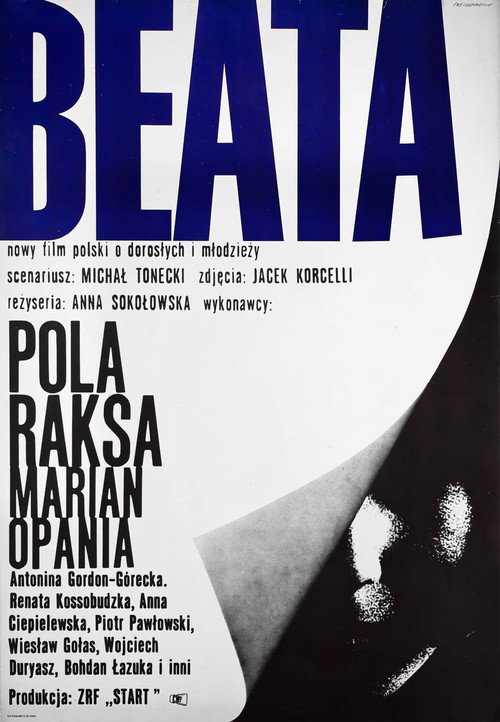
Beata 1965
In this poignant 1965 Polish drama, young Beata finds herself at odds with the stifling hypocrisy of her surroundings, sparking a rebellious journey that leads her away from home.
Director: Anna Sokołowska
Cast



Frequently Asked Questions
What is Beata (1965) about?
This 1965 drama follows Beata, a teenage girl who grows disillusioned with the dishonesty around her and makes the bold decision to leave home behind. Her journey becomes a reflection on adolescence, autonomy, and the struggle to find one's place in a flawed world.
Who directed Beata?
Anna Sokołowska directed *Beata (1965)*, bringing a nuanced touch to this coming-of-age story with her sensitive portrayal of teenage rebellion.
Who stars in Beata?
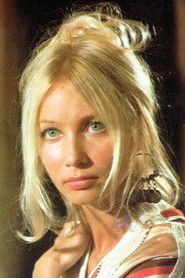
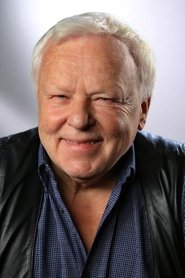
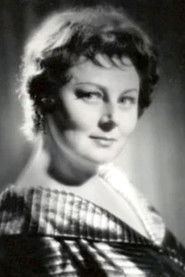
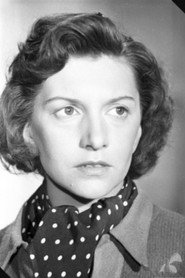
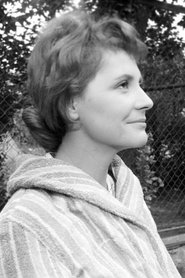
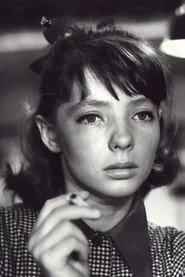
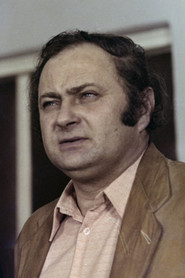
The film features Pola Raksa in the lead role as Beata, supported by Marian Opania, Antonina Gordon-Górecka, Renata Kossobudzka, and Anna Ciepielewska.
Is Beata (1965) worth watching?
While *Beata (1965)* isn't a high-rated blockbuster, its intimate drama and themes of teenage disillusionment make it a worthwhile watch for fans of character-driven films. The runtime is tight at 97 minutes, and its historical Polish context adds richness to the storytelling.
How long is Beata?
The movie runs for 97 minutes.
About Beata (1965) — A Teenage Escape from Hypocrisy in Polish Drama
In this poignant 1965 Polish drama, young Beata finds herself at odds with the stifling hypocrisy of her surroundings, sparking a rebellious journey that leads her away from home. Directed by Anna Sokołowska, *Beata (1965)* explores themes of teenage angst and the search for authenticity in a world that often feels false. The film's atmospheric tone blends quiet introspection with moments of raw emotion, creating a compelling portrait of a girl caught between childhood and the harsh realities of adulthood. With its focus on moral conflict and personal freedom, the movie resonates as both a period piece and a timeless reflection on growing up.
Starring Pola Raksa as the titular character, the cast brings depth to this intimate story, with Marian Opania and Antonina Gordon-Górecka delivering memorable performances. The film's dramatic narrative, combined with Sokołowska's sensitive direction, makes *Beata* a standout in 1960s Polish cinema. Whether you're drawn to its historical context or its universal themes, this movie offers a gripping exploration of identity and defiance that lingers long after the credits roll.