
El hijo de nadie 1946
In the Mexico of 1946, *El hijo de nadie* weaves a poignant tale of identity, destiny, and the enduring search for belonging.
Director: Miguel Contreras Torres
Cast



Frequently Asked Questions
What is El hijo de nadie (1946) about?
This 1946 Mexican drama follows a young man's emotional journey to uncover his true origins in a society grappling with post-war changes and shifting values.
Who directed El hijo de nadie?
Miguel Contreras Torres directed this 1946 Mexican drama, known for his work in blending social themes with compelling storytelling.
Who stars in El hijo de nadie?
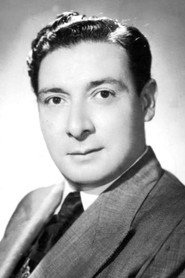
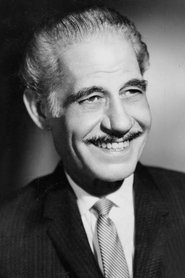
The film stars Manuel Medel, Andrés Soler, Meche Barba, Emma Roldán, and Fernando Soto in pivotal roles.
Is El hijo de nadie (1946) worth watching?
A classic of 1940s Mexican cinema, *El hijo de nadie* offers rich drama and historical insight, making it a solid pick for fans of vintage storytelling.
How long is El hijo de nadie?
El hijo de nadie has a runtime of 118 minutes.
🎥 Trailer
About El hijo de nadie (1946) — Classic Mexican Drama of Identity and Destiny
In the Mexico of 1946, *El hijo de nadie* weaves a poignant tale of identity, destiny, and the enduring search for belonging. Directed by Miguel Contreras Torres, this classic drama unfolds against the backdrop of post-war social struggles, where a young man's journey to uncover his true heritage becomes a mirror to the nation's quest for self-definition. With a runtime of 118 minutes, the film balances intimate character drama with sweeping societal themes, painting a vivid portrait of human resilience and the universal yearning for family.
Starring the legendary Manuel Medel alongside Andrés Soler and Meche Barba, *El hijo de nowhere* combines stellar performances with a narrative that lingers on the heart. The story's emotional depth and atmospheric tension—rooted in post-revolutionary Mexico—create a timeless experience, making it a standout in 1940s Mexican cinema. Whether you're drawn to its historical context or its gripping personal stakes, this film offers a compelling blend of drama and national identity.