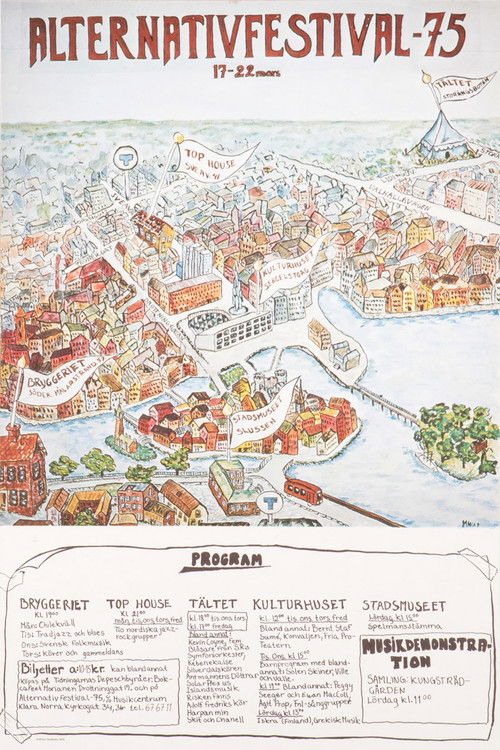
Alternativ Festival 1975 1975
Capturing the rebellious spirit of 1970s Sweden, *Alternativ Festival 1975* (1975) offers a bold counterpoint to the mainstream Eurovision Song Contest.
Cast
Frequently Asked Questions
What is Alternativ Festival 1975 (1975) about?
This documentary captures Sweden's 1975 Alternative Festival, a cultural uprising against the Eurovision Song Contest. Broadcast from a circus tent in Stockholm, it showcased folk music and performances as a form of political and artistic rebellion.
Who directed Alternativ Festival 1975?
Director information is not available.
Who stars in Alternativ Festival 1975?
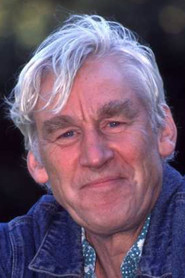
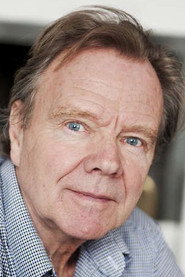
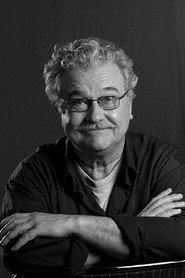
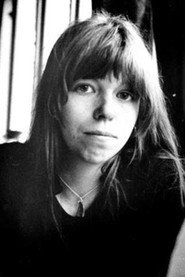
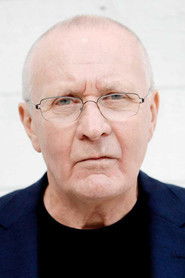
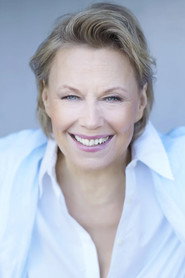
Key performers include Anders Linder, Jörgen Lantz, Turid Lundqvist, Ulf Dageby, and Arja Saijonmaa, each bringing their unique flair to the festival's eclectic lineup.
Is Alternativ Festival 1975 (1975) worth watching?
For fans of politically charged music and documentary-style storytelling, it's a fascinating time capsule of 1970s counterculture. While not a mainstream hit, its raw energy and historical significance make it a compelling watch for niche audiences.
How long is Alternativ Festival 1975?
Alternativ Festival 1975 runs for 90 minutes.
About Alternativ Festival 1975 (1975) — The 1970s Swedish protest festival you need to know
Capturing the rebellious spirit of 1970s Sweden, *Alternativ Festival 1975* (1975) offers a bold counterpoint to the mainstream Eurovision Song Contest. Filmed under a circus tent in Stockholm, this documentary-music hybrid blends folk traditions with sharp political commentary, showcasing artists like Anders Linder and Ulf Dageby in a vibrant protest against cultural conformity. The atmosphere crackles with raw energy as performers challenge the status quo through music and satire, creating a snapshot of grassroots resistance that feels as timely today as it did then.
Directed with an eye for authenticity, this 90-minute cinematic time capsule features an ensemble cast that includes Turid Lundqvist and Arja Saijonmaa, delivering performances that are equal parts defiant and celebratory. With its mix of genres—documentary, comedy, and music—it's a celebration of alternative artistry, where every note and gesture feels like a middle finger to the establishment. More than just a footnote in Swedish cultural history, it's a call to embrace art that doesn't play by the rules.