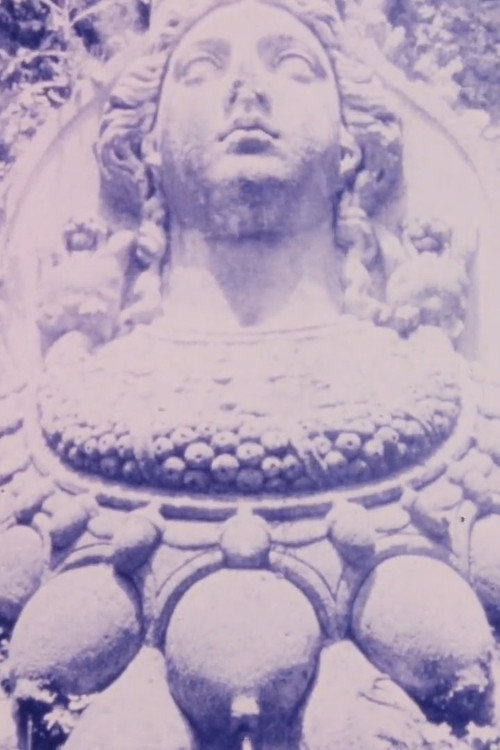
Shadows from the Western Wall 1974
Abbott Meader's 1974 short film *Shadows from the Western Wall* blends archival footage of Rome's ancient monuments with serene landscapes from rural Maine, creating a haunting meditation on time and decay. The dialogue—'Just a man' and 'An ancient race.
Director: Abbott Meader
Frequently Asked Questions
What is Shadows from the Western Wall (1974) about?
*Shadows from the Western Wall* is a 12-minute experimental film that merges footage of Rome's crumbling monuments with peaceful Maine landscapes. Through sparse narration and striking imagery, it meditates on the rise and fall of civilizations, drawing parallels between ancient relics and the fleeting nature of human existence.
Who directed Shadows from the Western Wall?
Director information is not available.
Who stars in Shadows from the Western Wall?
Cast details are not listed for this short film.
Is Shadows from the Western Wall (1974) worth watching?
Though unrated and obscure, *Shadows from the Western Wall* offers a uniquely atmospheric experience for fans of poetic cinema. Its 12-minute runtime and contemplative themes make it a niche but intriguing watch, best suited for those who appreciate experimental filmmaking and historical reflection.
How long is Shadows from the Western Wall?
The film runs for 12 minutes.
About Shadows from the Western Wall (1974) – A Poetic Short Film on Time and Decay
Abbott Meader's 1974 short film *Shadows from the Western Wall* blends archival footage of Rome's ancient monuments with serene landscapes from rural Maine, creating a haunting meditation on time and decay. The dialogue—'Just a man' and 'An ancient race. Only at the point of dying'—echoes the film's contemplative tone, evoking the fading grandeur of empires. Inspired by Shelley's *Ozymandias*, Meader frames sculpted relics as silent witnesses to history's relentless passage, contrasting their once-mighty presence with their current fragility. The sparse narration and striking visuals invite viewers into a dreamlike exploration of memory and mortality, where the past lingers like a shadow.
Produced as a personal reflection on the Western Empire's twilight, this 12-minute cinematic fragment feels both intimate and monumental. The juxtaposition of classical ruins and quiet woodlands underscores the film's themes of impermanence and resilience, leaving audiences to ponder the fleeting nature of human achievement. Meader's vision transforms forgotten artifacts into poignant symbols, bridging centuries with a quiet, poetic urgency.