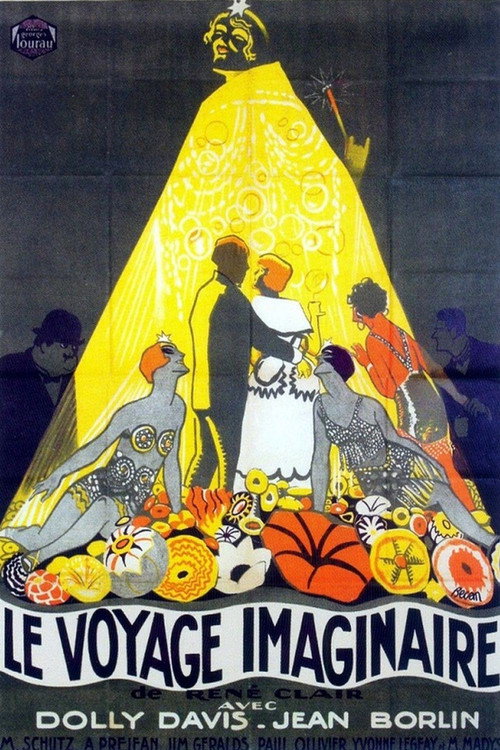
The Imaginary Voyage 1926
René Clair's silent-era gem *The Imaginary Voyage (1926)* whisks viewers into a surreal, dreamlike adventure where a timid bank clerk abandons his humdrum world for a hidden underground realm.
Director: René Clair
Cast



Frequently Asked Questions
What is *The Imaginary Voyage* (1926) about?
*The Imaginary Voyage* follows a shy bank clerk whose daydreams transport him to a bizarre underground world where people turn into animals and wax figures come to life. When his crush, Lucie, follows him into this surreal realm, they must outwit a wicked fairy determined to keep them apart, blending romance, comedy, and fantasy into a visually dazzling silent film.
Who directed *The Imaginary Voyage*?
René Clair directed *The Imaginary Voyage*. Renowned for his innovative silent-era films, Clair crafted a dreamlike narrative that blends humor and fantasy with striking visuals.
Who stars in *The Imaginary Voyage*?
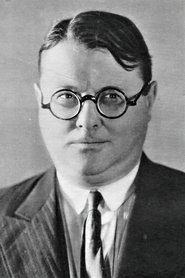
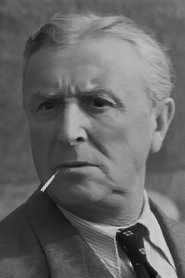
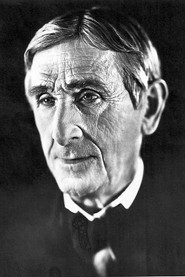
The film features a talented cast including Dolly Davis as Lucie, Jean Börlin, Albert Préjean as the clerk, Jim Gérald, and Paul Ollivier, with Maurice Schutz rounding out the ensemble.
Is *The Imaginary Voyage* (1926) worth watching?
While *The Imaginary Voyage* lacks an IMDb rating, its surreal charm, inventive storytelling, and Clair's direction make it a compelling watch for fans of silent cinema and fantasy. The film's unique blend of comedy and eerie transformation sequences offers a fresh, imaginative experience that feels ahead of its time.
How long is *The Imaginary Voyage*?
*The Imaginary Voyage* runs for 80 minutes, making it a concise yet richly layered film perfect for a single sitting.
About The Imaginary Voyage (1926) — René Clair's Surreal Silent-Era Fantasy Adventure
René Clair's silent-era gem *The Imaginary Voyage (1926)* whisks viewers into a surreal, dreamlike adventure where a timid bank clerk abandons his humdrum world for a hidden underground realm. Guided by a mischievous fairy, he encounters a topsy-turvy society where humans morph into animals and wax figures spring to eerie life. The clerk's infatuation with his coworker Lucie adds a romantic twist, but a sinister fairy lurks to thwart their romance, weaving a tale of fantasy and desire that feels both playful and hauntingly imaginative. With its blend of comedy, drama, and fantasy, this French classic stands out for its innovative visuals and lyrical storytelling, capturing the magic of cinema's silent era.
Set against a backdrop of flickering lanterns and shadowy corridors, *The Imaginary Voyage (1926)* explores themes of escapism and forbidden love, all wrapped in Clair's signature whimsy. The film's lighthearted tone contrasts with moments of eerie transformation, creating an atmosphere that's both enchanting and subtly unsettling. For fans of early surreal cinema or anyone seeking a visually rich silent film, this underrated treasure offers a mesmerizing escape into the extraordinary.