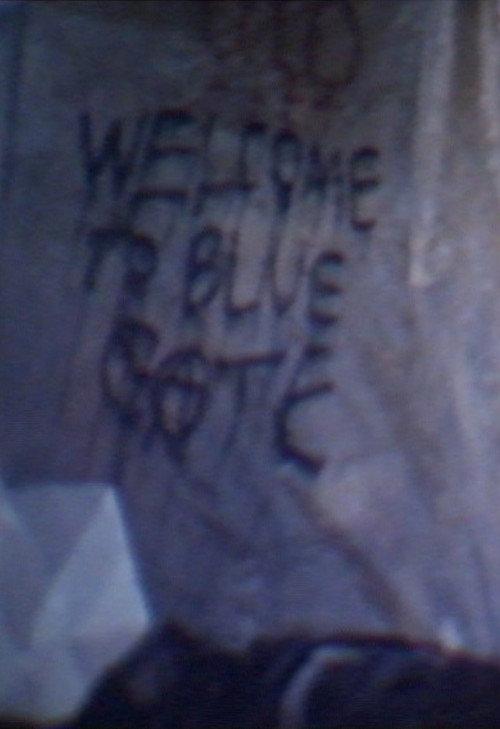
Fellowship 1984
Directed by Anne Robinson in 1984, *Fellowship* is a striking 14-minute experimental piece that weaves contemporary reflections on war memorialization with powerful, defiant voices from Robinson's earlier film *Royal Fellowship*.
Director: Anne Robinson
Frequently Asked Questions
What is Fellowship (1984) about?
Anne Robinson's *Fellowship* explores how war is remembered and narrated, juxtaposing reflective imagery with voices that challenge military-industrial power. The 14-minute short bridges Robinson's earlier work *Royal Fellowship* with contemporary themes of resistance and collective memory.
Who directed Fellowship?
Anne Robinson directed *Fellowship* in 1984. Her filmmaking often blends experimental techniques with socio-political commentary.
Who stars in Fellowship?
Cast details for *Fellowship* are not listed, but the film centers on the powerful voices featured in Robinson's *Royal Fellowship*.
Is Fellowship (1984) worth watching?
As an unrated short film, *Fellowship* offers a dense, atmospheric experience for fans of experimental cinema and political art. Its concise runtime and thematic depth make it a thought-provoking watch, though its niche appeal may limit mainstream interest.
How long is Fellowship?
Runtime details are not listed, but the film is known to run approximately 14 minutes.
About Fellowship (1984) — A haunting short film on memory, war, and resistance
Directed by Anne Robinson in 1984, *Fellowship* is a striking 14-minute experimental piece that weaves contemporary reflections on war memorialization with powerful, defiant voices from Robinson's earlier film *Royal Fellowship*. Set against a backdrop of military-industrial dominance, the short film emerges as a haunting meditation on resistance, memory, and the act of narrativizing conflict. Its atmospheric tone blends quiet introspection with raw urgency, using visuals and sound to underscore the tension between silence and defiance.
In *Fellowship*, Robinson crafts a layered critique of how war is preserved—or weaponized—through storytelling, while foregrounding the unheard or marginalized perspectives that challenge dominant narratives. The film's concise runtime belies its depth, offering a dense, evocative experience that lingers long after the credits roll. Ideal for fans of politically charged short cinema, it's a compelling snapshot of artistic dissent from the mid-1980s that feels remarkably relevant today.