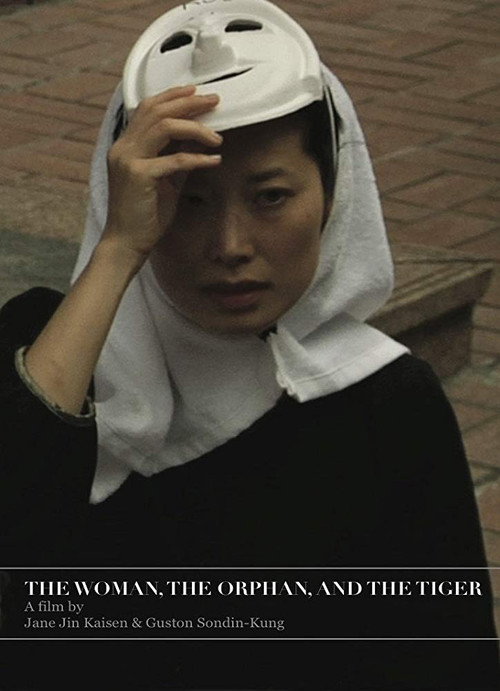
The Woman, The Orphan, and The Tiger 2010
Directed by Guston Sondin-Kung, *The Woman, The Orphan, and The Tiger* (2010) is a haunting documentary that dives into the intergenerational scars left by historical trauma.
Director: Guston Sondin-Kung
Frequently Asked Questions
What is The Woman, The Orphan, and The Tiger (2010) about?
This documentary follows a group of international adoptees and women of Korean descent as they grapple with inherited trauma and the return of suppressed memories. Through their stories, the film examines how pain from the past seeps into the present, challenging narratives of silence and erasure.
Who directed The Woman, The Orphan, and The Tiger?
Guston Sondin-Kung directed this raw and intimate documentary, bringing a sensitive yet unflinching perspective to its themes.
Who stars in The Woman, The Orphan, and The Tiger?
The film features a diverse group of international adoptees and women of Korean diaspora, whose personal journeys form the heart of the story.
Is The Woman, The Orphan, and The Tiger (2010) worth watching?
With its deeply personal approach to heavy themes, *The Woman, The Orphan, and The Tiger* offers a moving experience for documentary fans. While it doesn't have an IMDb rating, its emotional resonance and thought-provoking storytelling make it compelling viewing for those interested in history, identity, and trauma.
How long is The Woman, The Orphan, and The Tiger?
The film has a runtime of 72 minutes.
About The Woman, The Orphan, and The Tiger (2010) — A Haunting Look at Intergenerational Trauma
Directed by Guston Sondin-Kung, *The Woman, The Orphan, and The Tiger* (2010) is a haunting documentary that dives into the intergenerational scars left by historical trauma. Through intimate portraits of international adoptees and women of Korean descent in their 20s and 30s, the film reveals how suppressed pain resurfaces, shattering the carefully constructed stories meant to bury painful pasts.
The 72-minute documentary blends raw personal narratives with evocative visuals, creating an atmosphere that feels both unsettling and deeply empathetic. Sondin-Kung's lens exposes the ways silence and memory shape identity, as the subjects confront the ghosts of violence and abandonment that echo through generations. It's a poignant exploration of resilience, healing, and the weight of unspoken histories.