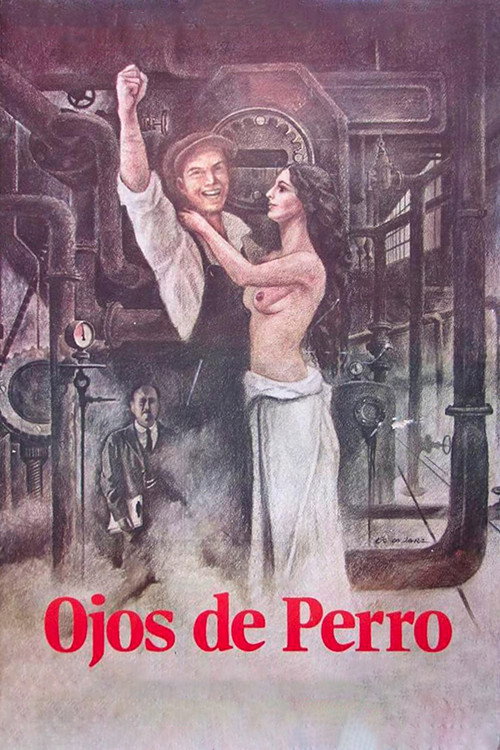
Dog's Eyes 1983
Alberto Durant's *Dog's Eyes (1983)* dives into Peru's turbulent labor history, capturing the raw determination of early 20th-century sugar workers fighting for justice.
Director: Alberto Durant
Cast


Frequently Asked Questions
What is Dog's Eyes (1983) about?
*Dog's Eyes* chronicles the real-life 1921 strike in Trujillo's sugar valleys, where workers organized Peru's first union to demand an eight-hour workday and labor rights. The film blends historical events with personal struggles, showing how collective action reshaped lives against oppression.
Who directed Dog's Eyes?
Alberto Durant directed *Dog's Eyes*, bringing a sharp, cinematic eye to Peru's labor history.
Who stars in Dog's Eyes?
The film features María Antonia Pérez, José María Salcedo, Hugo Soriano, Julio Vega, and Jorge Guerra in pivotal roles.
Is Dog's Eyes (1983) worth watching?
*Dog's Eyes* is a compelling watch for fans of historical dramas and labor narratives. While its IMDb rating is unrated, its focus on social change and authentic storytelling offers depth rarely seen in typical cinema. If you appreciate films that honor real struggles, this one delivers.
How long is Dog's Eyes?
*Dog's Eyes* runs for 90 minutes.
About Dog's Eyes (1983) — Peru's 1921 labor uprising on film
Alberto Durant's *Dog's Eyes (1983)* dives into Peru's turbulent labor history, capturing the raw determination of early 20th-century sugar workers fighting for justice. Set against the backdrop of Trujillo's sugar valleys in 1921, the film follows the birth of the city's first union as laborers demand fair wages and the right to organize. Through the lens of solidarity and sacrifice, it paints a vivid portrait of resilience against exploitation, blending historical weight with intimate character drama.
With a cast led by María Antonia Pérez and José María Salcedo, Durant crafts a gripping narrative steeped in realism. The film's drama unfolds like a tense industrial saga, where every strike and protest carries the weight of change. As ideological clashes and personal stakes collide, *Dog's Eyes* becomes more than a period piece—it's a testament to the enduring fight for workers' rights and the human stories behind labor movements.