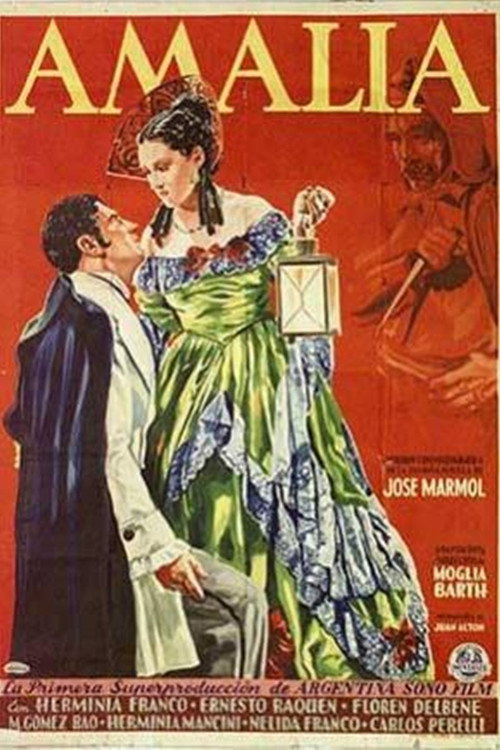
Amalia 1936
Romantic drama Amalia (1936), directed by Luis Moglia Barth, unfolds against the backdrop of 19th-century Buenos Aires as a widow grapples with societal expectations and forbidden love.
Director: Luis Moglia Barth
Cast




Frequently Asked Questions
What is Amalia (1936) about?
Amalia follows a widow in 1840s Buenos Aires whose heart awakens to a passionate Unitarian revolutionary, forcing her to navigate the dangers of love amid political turmoil. Based on José Mármol's novel, the film contrasts personal emotion with the sweeping changes of a divided society.
Who directed Amalia?
Amalia was directed by Luis Moglia Barth, a pioneer of Argentine cinema known for his skillful blending of historical drama and intimate storytelling.
Who stars in Amalia?
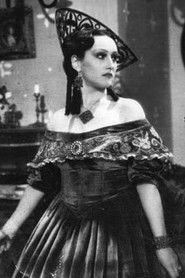
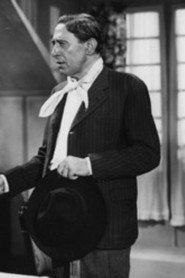
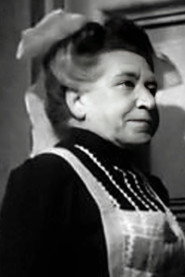
The lead roles are played by Herminia Franco as Amalia, Floren Delbene as Eduardo, alongside Miguel Gómez Bao, Carlos Perelli, and Amanda Santalla.
Is Amalia (1936) worth watching?
While lacking an IMDb rating, Amalia (1936) stands as a culturally significant drama with strong romantic and historical themes. Fans of classic Argentine cinema or period romance will appreciate its atmospheric storytelling and dramatic depth.
How long is Amalia?
Amalia runs for 105 minutes, offering a concise yet immersive cinematic experience.
Amalia (1936): Romance and Revolution — Full Movie Info
Romantic drama Amalia (1936), directed by Luis Moglia Barth, unfolds against the backdrop of 19th-century Buenos Aires as a widow grapples with societal expectations and forbidden love. After losing her husband, Amalia Sáenz de Olabarrieta finds herself drawn to Eduardo Belgrano, a passionate young Unitarian reformer whose ideals challenge the conservative order of their time. Their relationship becomes a delicate dance between personal longing and political upheaval, set against a city teeming with tension and transformation. The film weaves historical drama with tender romance, painting a vivid portrait of a woman caught between duty and desire.
Starring Herminia Franco as the resilient Amalia and Floren Delbene as the idealistic Eduardo, the movie blends emotional depth with political intrigue. With dramatic performances and sweeping cinematography, Amalia (1936) captures the essence of an era where love and revolution collide. A classic Argentine film, it offers a timeless exploration of love tested by circumstance, idealism shadowed by reality.