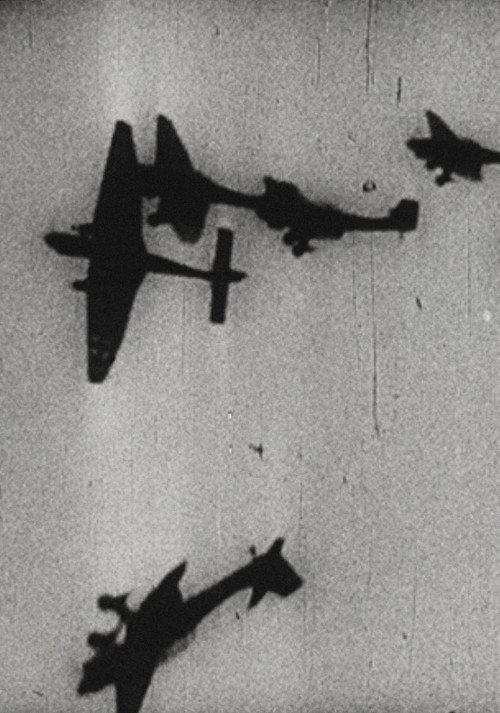
Trap Dance 1968
In the late 1960s, avant-garde filmmaking continued to push boundaries with experimental works like Trap Dance (1968). Directed by Storm De Hirsch, this short film serves as a powerful protest statement, leveraging black and white visuals to convey its message.
Director: Storm De Hirsch
Frequently Asked Questions
What is Trap Dance (1968) about?
Directed by Storm De Hirsch, Trap Dance is a powerful protest statement that leverages black and white visuals to convey its message.
Who directed Trap Dance?
Trap Dance was directed by Storm De Hirsch.
Who stars in Trap Dance?
Unfortunately, the main cast of Trap Dance is not listed.
Is Trap Dance (1968) worth watching?
While Trap Dance may not have a traditional narrative, its bold statement and innovative direction make it a thought-provoking addition to the world of experimental cinema.
How long is Trap Dance?
Trap Dance has a runtime of 2 minutes.
About Trap Dance (1968) — A Powerful Protest Statement in Experimental Cinema
In the late 1960s, avant-garde filmmaking continued to push boundaries with experimental works like Trap Dance (1968). Directed by Storm De Hirsch, this short film serves as a powerful protest statement, leveraging black and white visuals to convey its message. As part of the Angry Arts movement, Trap Dance aimed to challenge societal norms and inspire critical thinking. By exploring the intersection of art and activism, De Hirsch's film provides a thought-provoking commentary on the era's politics and culture. With its concise runtime of 2 minutes, Trap Dance remains a thought-provoking and visually striking addition to the world of experimental cinema.
While limited information is available on the cast and genres associated with Trap Dance, the film's significance lies in its bold statement and De Hirsch's innovative direction. As a testament to the power of avant-garde filmmaking, Trap Dance (1968) invites viewers to engage with its themes and ideas, even if the details of its production remain somewhat elusive.
Through its use of stark visuals and powerful imagery, Trap Dance (1968) offers a unique glimpse into the era's artistic and social landscape. By exploring the film's themes and ideas, audiences can gain a deeper understanding of the Angry Arts movement and its continued influence on contemporary art and activism.