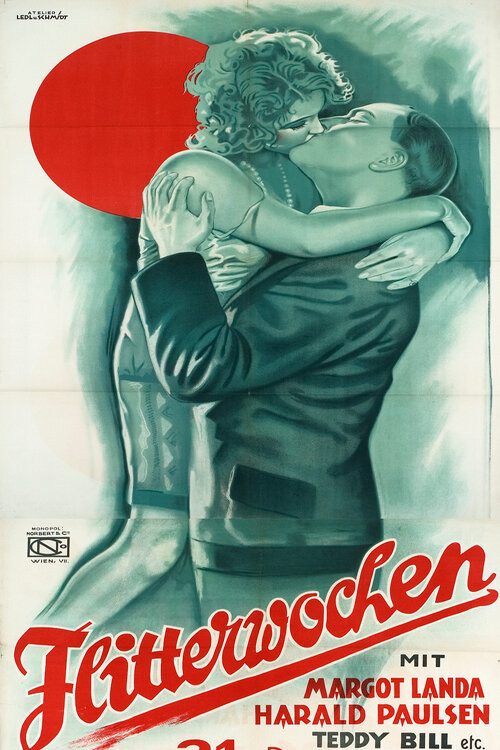
Flitterwochen 1928
Step into the whimsical world of *Flitterwochen (1928)*, a silent-era German comedy directed by E.W. Emo that blends marital mischief with legal mishaps.
Director: E.W. Emo
Cast

Frequently Asked Questions
What is Flitterwochen (1928) about?
*Flitterwochen* follows newlyweds Käthe and Max, whose post-wedding bliss is abruptly interrupted when Max—without telling his wife—takes on his first legal case. The resulting comedic chaos tests their patience, forcing them to navigate the absurdity of his double life as both husband and rookie lawyer.
Who directed Flitterwochen?
E.W. Emo directed *Flitterwochen (1928)*, bringing a keen eye for silent-era comedic timing to this lighthearted marital farce.
Who stars in Flitterwochen?
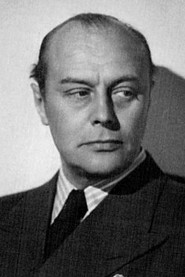
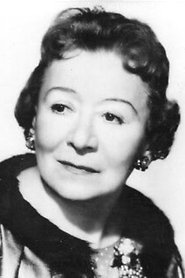
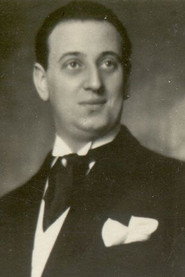
The film stars Margot Landa and Harald Paulsen as the newlywed couple, with supporting performances from Geza L. Weiss, Trude Hesterberg, and Max Ehrlich.
Is Flitterwochen (1928) worth watching?
As a silent-era comedy, *Flitterwochen* offers a delightful snapshot of early 20th-century humor and filmmaking. While it lacks modern CGI, its clever gags and charming performances make it a charming watch for fans of classic cinema—especially those who enjoy lighthearted marital comedies.
How long is Flitterwochen?
*Flitterwochen (1928)* runs for 87 minutes, perfect for a concise, entertaining experience.
About Flitterwochen (1928) — Silent-Era Comedy of Marital Mischief and Legal Mishaps
Step into the whimsical world of *Flitterwochen (1928)*, a silent-era German comedy directed by E.W. Emo that blends marital mischief with legal mishaps. The film follows newlyweds Käthe and Max, blissfully united after meeting in law school, only for their honeymoon bliss to be interrupted when Max takes on his first solo case—without so much as a whisper to his wife. What unfolds is a charmingly chaotic tale of crossed wires, comedic misunderstandings, and the delicate balance between professional ambition and domestic harmony. Emo's direction infuses the story with lighthearted energy, while Margot Landa and Harald Paulsen's chemistry as the mismatched duo keeps the tone breezy and engaging.
Set against the backdrop of 1920s Berlin, *Flitterwochen* captures the era's exuberance and the romanticized chaos of early marriage. The film's themes explore the growing pains of young love, the absurdity of real-life twists, and the humor in plans gone awry. With its snappy pacing and visual gags, the comedy feels fresh even a century later, offering a nostalgic peek into silent cinema's golden age while delivering timeless laughs.