The Impossibility of Knowing 2010
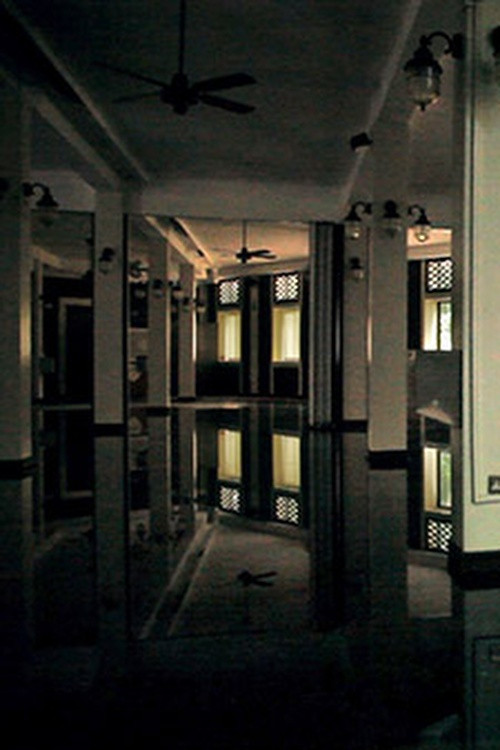
The Impossibility of Knowing (2010) is a contemplative short documentary that delves into the lingering echoes of trauma embedded within Singapore's physical spaces.
Director: Tan Pin Pin
Frequently Asked Questions
What is The Impossibility of Knowing (2010) about?
This short documentary follows director Tan Pin Pin as she explores Singapore's spaces that have witnessed trauma, attempting to capture the lingering emotional and spiritual residue that remains in these locations long after events have passed.
Who directed The Impossibility of Knowing?
The film was directed by Tan Pin Pin, a Singaporean filmmaker known for her thoughtful documentaries exploring identity and place.
Who stars in The Impossibility of Knowing?
Cast information for this documentary is not publicly available, as the film focuses on spaces and atmosphere rather than individual performers.
Is The Impossibility of Knowing (2010) worth watching?
At just eleven minutes, this contemplative documentary offers a unique artistic perspective on trauma and memory in Singapore. While unrated, its meditative approach to difficult themes makes it worthwhile for fans of experimental documentary filmmaking.
How long is The Impossibility of Knowing?
The film has a runtime of 11 minutes.
About The Impossibility of Knowing (2010) — Trauma's Invisible Echoes
The Impossibility of Knowing (2010) is a contemplative short documentary that delves into the lingering echoes of trauma embedded within Singapore's physical spaces. Director Tan Pin Pin embarks on a meditative journey, attempting to capture the intangible 'aura' that remains in locations marked by historical pain and collective memory. Through her lens, abandoned buildings and forgotten corners become vessels of stories untold, creating an atmospheric exploration of how spaces retain the imprints of human experience.
This experimental documentary runs for just eleven minutes but packs profound emotional weight. Tan's approach blends observational filmmaking with poetic sensibility, inviting viewers to contemplate the invisible threads that connect past and present. The film's power lies in what remains unspoken yet palpable—the haunting presence of events that shaped these environments. Perfect for audiences interested in artistic documentaries that challenge conventional storytelling.