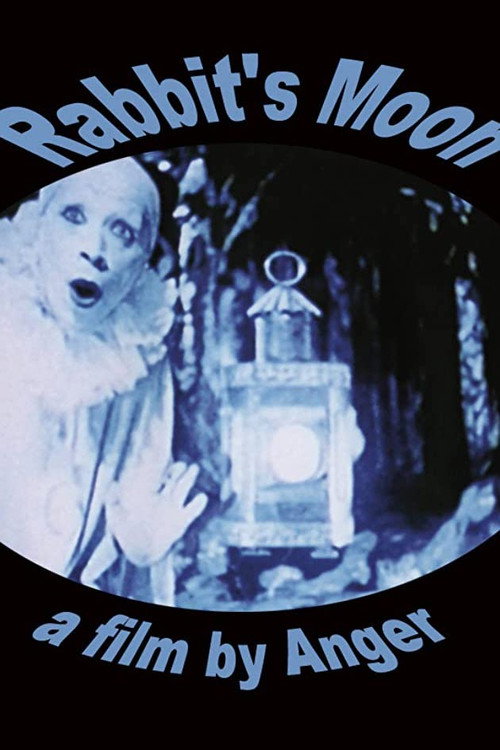
Rabbit's Moon 1979
Kenneth Anger's *Rabbit's Moon (1979)* distills the avant-garde into a mesmerizing six-minute short that blurs the line between myth and modernism.
Director: Kenneth Anger
Cast
Frequently Asked Questions
What is Rabbit's Moon (1979) about?
*Rabbit's Moon* unfolds as a surreal fable, where a celestial being gazes down upon earthly longing. The characters' unspoken desires play out in a dreamlike atmosphere, blending folklore with modernist experimentation. Its brevity belies its emotional depth, leaving a lasting impression.
Who directed Rabbit's Moon?
Kenneth Anger directed *Rabbit's Moon*. A pioneer of avant-garde cinema, Anger's work often explores themes of mysticism, desire, and the occult.
Who stars in Rabbit's Moon?
André Soubeyran, Claude Revenant, and Nadine Valence headline the cast of *Rabbit's Moon*.
Is Rabbit's Moon (1979) worth watching?
If you appreciate experimental films that prioritize atmosphere over narrative, *Rabbit's Moon* is absolutely worth your time. At just six minutes, it's a dense, thought-provoking experience that rewards those drawn to visually striking and thematically rich cinema.
How long is Rabbit's Moon?
The runtime for *Rabbit's Moon* is six minutes.
About Rabbit's Moon (1979) — Kenneth Anger's surreal six-minute avant-garde masterpiece
Kenneth Anger's *Rabbit's Moon (1979)* distills the avant-garde into a mesmerizing six-minute short that blurs the line between myth and modernism. A haunting exploration of desire and longing, the film reimagines a lunar tale through a dreamlike lens, where characters move in a surreal dance of unfulfilled yearning. The 1979 version amplifies the original's eerie allure with a revamped soundtrack and accelerated pacing, transforming it into a hypnotic meditation on obsession. Starring André Soubeyran, Claude Revenant, and Nadine Valence, the cast embodies a timeless archetype of unattainable love, wrapped in Anger's signature visual poetry.
Delving into themes of fantasy and existential melancholy, *Rabbit's Moon* defies conventional storytelling, opting instead for a visceral, almost ritualistic experience. The film's stark black-and-white cinematography and deliberate framing create an atmosphere of both detachment and intimacy, as if glimpsing a private ritual through a half-open door. For fans of experimental cinema, this short is a must-see—a brief but unforgettable glimpse into Anger's visionary world where folklore meets the avant-garde.