Léto 1949
Set against the sun-drenched backdrop of post-war Czechoslovakia, *Léto (1949)* is a poignant drama-romance that explores the delicate balance between personal longing and societal expectations. Directed by the understated yet masterful K.M.
Director: K.M. Walló
Cast

Frequently Asked Questions
What is Léto (1949) about?
*Léto (1949)* follows a tender romance set against the backdrop of post-war Czechoslovakia, where two individuals find their paths entwined in fleeting moments of connection. Their relationship unfolds amidst the quiet tensions of a society rebuilding itself, testing the limits of their feelings against the constraints of the era.
Who directed Léto?
The film was directed by K.M. Walló, whose nuanced approach brings depth to the emotional landscape of *Léto (1949)*.
Who stars in Léto?
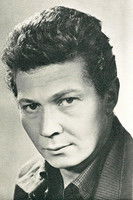
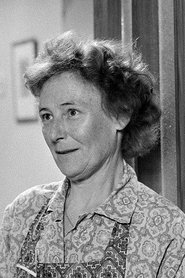
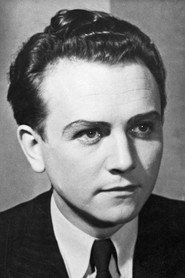
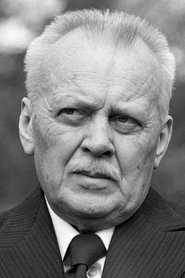
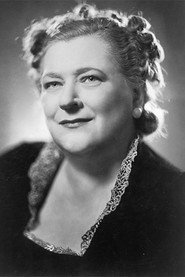
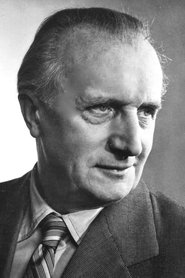
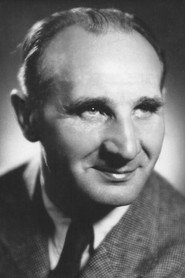
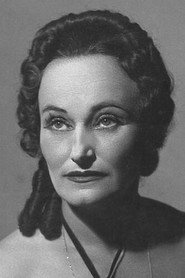
The film features a compelling ensemble cast including Jaroslav Mareš and Alena Kreuzmannová, supported by Jiří Dohnal, Jiřina Štěpničková, and Karel Höger.
Is Léto (1949) worth watching?
As a classic drama-romance from 1949, *Léto* offers a glimpse into post-war Czechoslovakia through its emotional storytelling and strong performances. While its pacing may feel dated to modern viewers, its themes of love and resilience give it enduring appeal for fans of period dramas.
How long is Léto?
Runtime details are not listed.
About Léto (1949) — A Summer's Love Story Captured in Post-War Czechoslovakia
Set against the sun-drenched backdrop of post-war Czechoslovakia, *Léto (1949)* is a poignant drama-romance that explores the delicate balance between personal longing and societal expectations. Directed by the understated yet masterful K.M. Walló, the film weaves a tender narrative around love that blossoms in fleeting moments, only to be tested by the harsh realities of the time. With a sensitive touch, Walló crafts a story where emotions simmer beneath the surface, mirroring the era's quiet struggles and fleeting joys. The chemistry between Jaroslav Mareš and Alena Kreuzmannová infuses the screen with warmth, as their characters navigate a world where every decision carries weight.
The film's atmospheric tension lingers like the scent of summer, capturing the essence of a moment when hope and uncertainty coexist. As a quintessential example of 1940s Eastern European cinema, *Léto (1949)* balances melodrama with authenticity, offering a glimpse into a society on the cusp of change. With its evocative visuals and emotionally resonant performances, it invites viewers to reflect on the timeless themes of love and sacrifice.