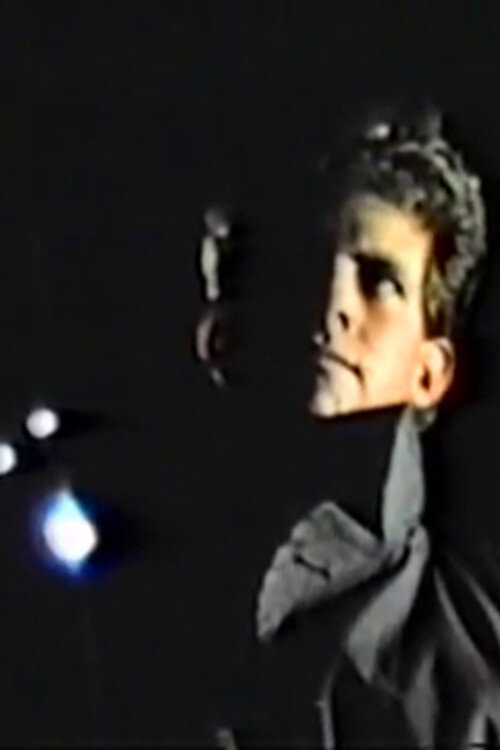
The Afterlife 1984
In this ultra-rare 1984 science-fiction short film, director Damon Packard crafts a gritty, apocalyptic vision inspired by the raw energy of *Mad Max* and grounded in Paul Trainor's comic series.
Director: Damon Packard
Frequently Asked Questions
What is The Afterlife (1984) about?
*The Afterlife* is a Mad Max-inspired sci-fi short that drops viewers into a bleak, neon-drenched future where civilization is on the brink. With only six minutes of runtime, it hints at survival amid ruin, blending gritty action with a haunting sense of inevitability. The film's unfinished state leaves much to the imagination, but its vision is unmistakably raw and atmospheric.
Who directed The Afterlife?
Director information is not available.
Who stars in The Afterlife?
Cast details for *The Afterlife* are not officially listed.
Is The Afterlife (1984) worth watching?
As a 6-minute curiosity rather than a completed film, *The Afterlife* delivers a punch of atmosphere and style. While not a polished feature, its Mad Max-inspired grit and unfinished edge make it a fascinating time capsule for genre fans. Its brevity works both for and against it—quick to enjoy, but over far too soon.
How long is The Afterlife?
*The Afterlife* runs approximately 6 minutes.
About The Afterlife (1984) — Neon-soaked sci-fi short from the Mad Max universe
In this ultra-rare 1984 science-fiction short film, director Damon Packard crafts a gritty, apocalyptic vision inspired by the raw energy of *Mad Max* and grounded in Paul Trainor's comic series. Shot on a shoestring budget yet bursting with atmosphere, *The Afterlife* compresses its post-apocalyptic world into a brisk six minutes of neon-lit chaos and existential dread. The film's minimal runtime belies its bold visuals and thematic ambition, offering a distilled glimpse into a dystopian future where life and decay blur into one.
The short's aesthetic leans hard into the neon-soaked decadence of 1980s cyberpunk, with skeletal vehicles and desolate cityscapes evoking both decay and defiance. While fragments of the narrative remain unfinished, *The Afterlife* stands as a cult curiosity for fans of early genre experimentation—more a fever dream than a complete story, but undeniably memorable. Its unfinished status only heightens its mystique, leaving audiences to fill in the blanks with their own visions of survival in a world that's already crumbled.