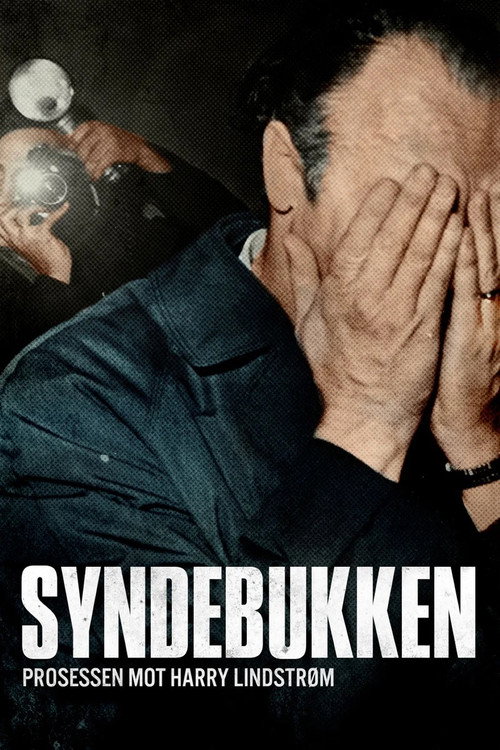
Syndebukken: Prosessen mot Harry Lindstrøm 2018
In *Syndebukken: Prosessen mot Harry Lindstrøm* (2018), actor Mads Ousdal uncovers a chilling personal connection tied to one of Norway's most notorious scandals from the 1960s.
Director: Fredrik Horn Akselsen
Cast


Frequently Asked Questions
What is *Syndebukken: Prosessen mot Harry Lindstrøm* (2018) about?
This documentary follows actor Mads Ousdal as he uncovers the story of his childhood babysitter, Harry Lindstrøm, who became Norway's most hated man after a divisive national crisis in the 1960s. The film explores themes of betrayal, public shaming, and the long shadow cast by historical injustice.
Who directed *Syndebukken: Prosessen mot Harry Lindstrøm*?
The film was directed by Fredrik Horn Akselsen, known for his compelling documentary work that blends personal narratives with broader societal themes.
Who stars in *Syndebukken: Prosessen mot Harry Lindstrøm*?
The documentary features Mads Ousdal prominently, alongside Sverre Anker Ousdal, Thomas Kjær Olsen, Henrik Grue Bastiansen, and Sven Ole Fagernæs.
Is *Syndebukken: Prosessen mot Harry Lindstrøm* (2018) worth watching?
As a 59-minute documentary, it delivers a powerful, emotionally resonant story that's both intimate and historically relevant. While not rated on IMDb, its depth and focus on a unique national scandal make it compelling for fans of thought-provoking true stories.
How long is *Syndebukken: Prosessen mot Harry Lindstrøm*?
The runtime is 59 minutes.
Syndebukken: Prosessen mot Harry Lindstrøm (2018) — A documentary unraveling Norway's most infamous 1960s scandal
In *Syndebukken: Prosessen mot Harry Lindstrøm* (2018), actor Mads Ousdal uncovers a chilling personal connection tied to one of Norway's most notorious scandals from the 1960s. As an adult, he learns his childhood babysitter, Harry Lindstrøm, became a national scapegoat during a crisis that rocked the country. Through this gripping documentary, directed by Fredrik Horn Akselsen, Ousdal navigates the uneasy legacy of betrayal and public vilification, blending intimate family inquiry with a wider exploration of societal blame.
With a somber tone and meticulous pacing, the film dissects how trauma lingers across generations and how individuals are cast as symbols of collective guilt. The 59-minute runtime keeps the narrative tight and immersive, while interviews and archival footage paint a haunting portrait of a man caught in the crossfire of history. It's a sobering reflection on justice, memory, and the cost of being a scapegoat in a media-driven age.