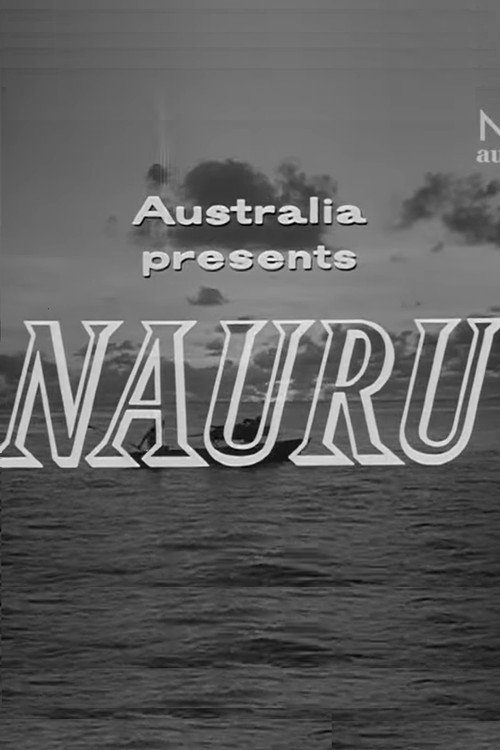
Nauru 1962
Frank Bagnall's *Nauru* (1962) is a striking documentary that captures a pivotal moment in the island nation's history. In 1962, Nauru boasted the highest per-capita income in the world, thanks to its phosphate mining industry—a lucrative but finite resource.
Director: Frank Bagnall
Frequently Asked Questions
What is Nauru (1962) about?
*Nauru* (1962) documents the island nation's paradox of extreme wealth built on phosphate mining, while revealing the looming crisis as the resource dwindles. The film captures the tension between Nauru's modern lifestyle and the uncertain future facing its people.
Who directed Nauru?
Frank Bagnall directed *Nauru* (1962), delivering a sharp and timely portrait of a nation's economic dilemma.
Who stars in Nauru?
Cast details for *Nauru* (1962) are not publicly listed, but the film focuses on Nauruan citizens and their collective story.
Is Nauru (1962) worth watching?
While *Nauru* (1962) is an unrated documentary, its historical significance and thought-provoking themes make it a compelling watch for fans of factual cinema. The film's exploration of economic fragility offers timeless lessons.
How long is Nauru?
*Nauru* (1962) has a runtime of 20 minutes.
About Nauru (1962) — A haunting documentary on wealth, depletion, and survival
Frank Bagnall's *Nauru* (1962) is a striking documentary that captures a pivotal moment in the island nation's history. In 1962, Nauru boasted the highest per-capita income in the world, thanks to its phosphate mining industry—a lucrative but finite resource. The film explores the looming crisis as the country's primary economic lifeline faces exhaustion, leaving its people caught between modern prosperity and an uncertain future. Bagnall's lens reveals a society on the brink, grappling with the paradox of wealth without sustainability, where the trappings of industrialization clash with the fragility of their environment.
With an atmosphere of quiet urgency, *Nauru* (1962) examines the human and economic toll of resource depletion. The documentary serves as both a time capsule and a cautionary tale, illustrating how a nation's fate can hinge on a single industry. Bagnall's work is a poignant snapshot of a community at a crossroads, blending stark realism with a sense of impending change.