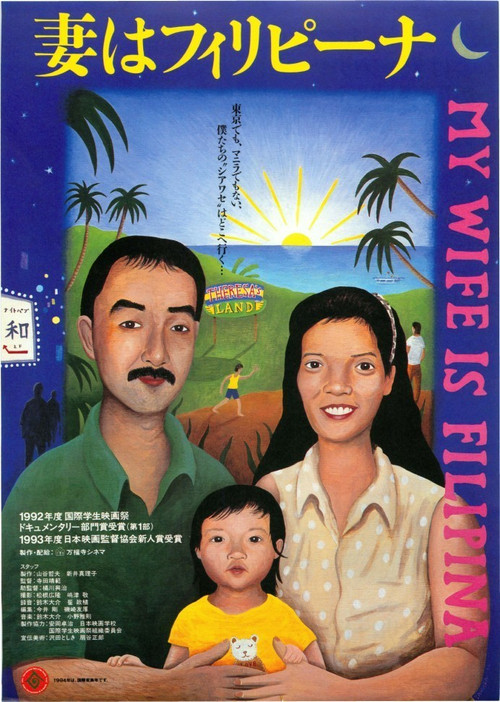
My Wife Is Filipina 1994
Dive into the unfiltered world of cross-cultural intimacy with *My Wife Is Filipina (1994)*, a compelling documentary that follows director Yasunori Terada as he navigates love, identity, and societal perceptions after marrying a Filipina escort.
Director: Yasunori Terada
Frequently Asked Questions
What is My Wife Is Filipina (1994) about?
*My Wife Is Filipina* follows documentary filmmaker Yasunori Terada as he documents his marriage to a Filipina escort. The film delves into the complexities of their relationship, examining themes of cultural exchange, economic disparity, and the blurred boundaries between personal and professional attachments.
Who directed My Wife Is Filipina?
The film was directed by Yasunori Terada, a Japanese filmmaker known for his documentary work that explores social and interpersonal dynamics.
Who stars in My Wife Is Filipina?
The documentary primarily features Yasunori Terada and his Filipina partner, though the cast is not widely documented beyond the director's involvement.
Is My Wife Is Filipina (1994) worth watching?
As a documentary, *My Wife Is Filipina* offers a unique and thought-provoking perspective on relationships and cultural differences. While it may not appeal to all audiences due to its sensitive subject matter, its raw honesty and exploration of unconventional love stories make it a compelling watch for those interested in real-life narratives and social themes.
How long is My Wife Is Filipina?
The runtime of *My Wife Is Filipina* is approximately 100 minutes.
About My Wife Is Filipina (1994) — A Candid Look at Cross-Cultural Love and Documentary Filmmaking
Dive into the unfiltered world of cross-cultural intimacy with *My Wife Is Filipina (1994)*, a compelling documentary that follows director Yasunori Terada as he navigates love, identity, and societal perceptions after marrying a Filipina escort. This raw and introspective film strips away romanticized notions, offering an unflinching look at relationships shaped by cultural differences, economic realities, and personal choices.
Set against the backdrop of Japan's evolving social landscape, Terada's lens captures the complexities of his union with sensitivity and curiosity. The documentary explores themes of longing, connection, and the blurred lines between transaction and affection, all while maintaining a detached yet empathetic tone. Audiences are left to ponder the boundaries of love in a world where motives and circumstances often intertwine.