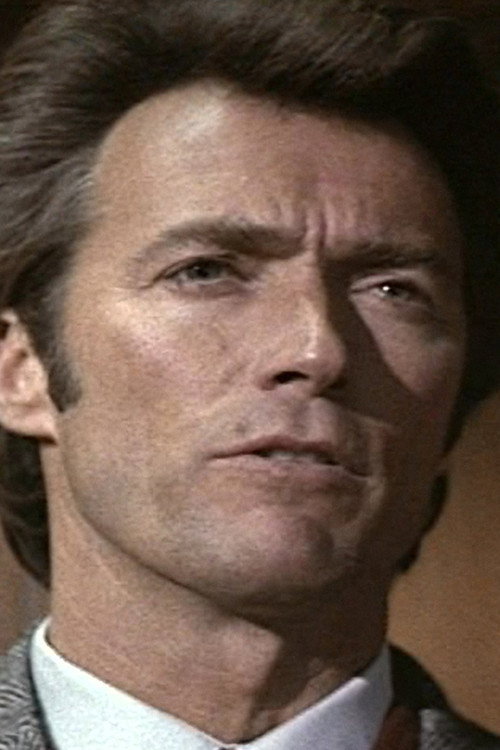
Soliloquy (Clint), 1971-2000 2000
Part of Candice Breitz's acclaimed *Soliloquy Trilogy* (2000), *Soliloquy (Clint), 1971–2000* (2000) dives into the blurred boundaries between celebrity and audience.
Director: Candice Breitz
Frequently Asked Questions
What is Soliloquy (Clint), 1971-2000 (2000) about?
This short film by Candice Breitz examines the complex relationship between a celebrity icon and their devoted fans, using Clint Eastwood's image as a focal point. It delves into how admiration can blur into obsession, turning the act of watching into a two-way mirror.
Who directed Soliloquy (Clint), 1971-2000?
Candice Breitz directed *Soliloquy (Clint), 1971–2000*, a work that sits within her broader *Soliloquy Trilogy* (2000).
Who stars in Soliloquy (Clint), 1971-2000?
The film primarily features Clint Eastwood's image and persona, though specific cast members are not listed.
Is Soliloquy (Clint), 1971-2000 (2000) worth watching?
While its experimental nature may not appeal to all viewers, *Soliloquy (Clint), 1971–2000* offers a unique, thought-provoking take on celebrity culture. Its brevity and conceptual depth make it a standout in avant-garde filmmaking, though it's best suited for those interested in thematic explorations over traditional narratives.
How long is Soliloquy (Clint), 1971-2000?
Soliloquy (Clint), 1971–2000 runs for 7 minutes.
About Soliloquy (Clint), 1971-2000 (2000) — Exploring Fandom and Celebrity in a Short Film Masterpiece
Part of Candice Breitz's acclaimed *Soliloquy Trilogy* (2000), *Soliloquy (Clint), 1971–2000* (2000) dives into the blurred boundaries between celebrity and audience. Clocking in at just seven minutes, Breitz crafts a minimalist yet potent exploration of fandom's psychological grip, using Clint Eastwood's iconic image as a lens to dissect how stars become mirrors for personal fantasies. The film's moody, introspective atmosphere lingers like an afterthought, inviting viewers to question who's really performing—and who's watching.
Breitz's signature approach turns *Soliloquy (Clint), 1971–2000* into a meditation on admiration and isolation, where the cult of personality meets the quiet desperation of obsession. The trilogy's broader themes of voyeurism and projection elevate this short film beyond its brevity, making it a compelling entry for fans of avant-garde cinema. Its stark visuals and repetitive structure create an almost hypnotic rhythm, leaving audiences to confront the unspoken contracts between art and its consumers.