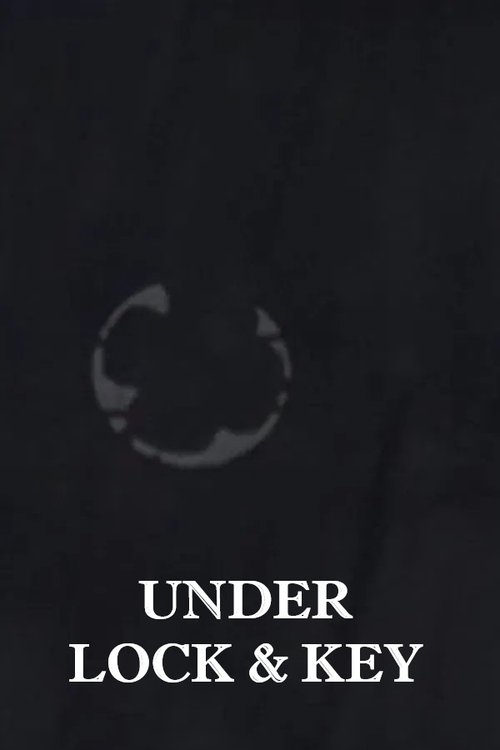
Under Lock and Key 1994
"Under Lock and Key"
In Beth B's raw and unflinching documentary "Under Lock and Key (1994)", voices of resilience rise from silence.
Director: Beth B
Cast
Frequently Asked Questions
What is Under Lock and Key (1994) about?
This documentary follows survivors of domestic violence as they write and read letters to their abusers, turning personal pain into public testimony. Directed by Beth B, the film explores healing through raw, unfiltered confessions captured on camera.
Who directed Under Lock and Key?
The film was directed by Beth B, who crafted a visually and emotionally intense exploration of trauma and recovery.
Who stars in Under Lock and Key?
The documentary features Philip Horvitz, Nan Goldin, Tomas Gaspar, Jerry Kearns, and Clark Gregg among its central voices.
Is Under Lock and Key (1994) worth watching?
Though unrated, its powerful themes and stark honesty make it a compelling watch for fans of socially conscious documentaries. The film's brevity in no way diminishes its impact, offering a poignant meditation on resilience.
How long is Under Lock and Key?
The runtime is 31 minutes.
Under Lock and Key (1994): A Documentary on Survival and Voice — Full Movie Info
In Beth B's raw and unflinching documentary "Under Lock and Key (1994)", voices of resilience rise from silence. Premiering as an installation at the Wexner Center for the Arts, this 31-minute single-channel film transforms the confessional into a space of catharsis, where survivors of domestic violence craft letters to their abusers—words that double as acts of self-liberation. Shot in stark, intimate close-ups, the documentary strips away artifice, letting the spoken word become both weapon and healing. The film's somber tone and unvarnished honesty challenge viewers to bear witness to stories that demand to be heard.
Through the courage of its participants—including Philip Horvitz, Nan Goldin, and Tomas Gaspar—the documentary "Under Lock and Key (1994)" confronts the psychological scars of abuse with unrelenting clarity. Director Beth B frames the act of speaking as a form of resistance, where the camera becomes a silent ally and the letter a bridge between pain and possibility. The result is a haunting, essential work that lingers long after the credits roll, a testament to the power of voice in the face of silence.