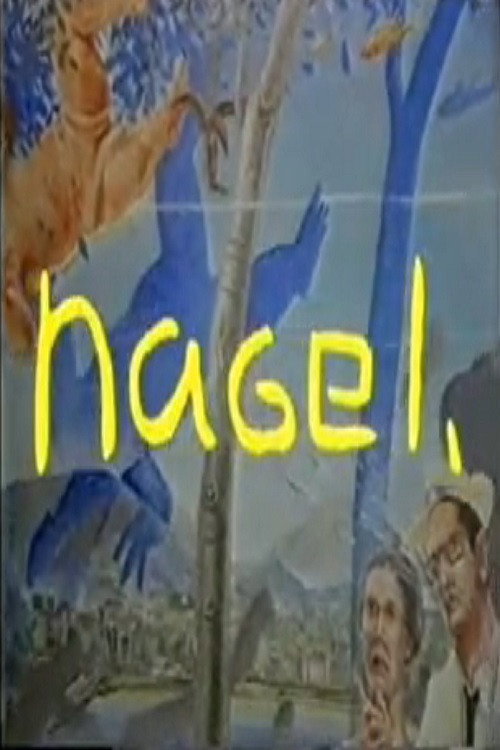
Nagel 1985
A brief yet striking collaboration emerges in *Nagel (1985)*, a nine-minute experimental film by director José Julián Bakedano, unraveling the creative synergy between sculptor Andrés Nagel and filmmaker Bakedano at the Azkuna Zentroa.
Director: José Julián Bakedano
Frequently Asked Questions
What is Nagel (1985) about?
*Nagel* explores the intersection of two art forms—sculpture and filmmaking—through a brief yet powerful collaboration. The short film captures the creative exchange between Andrés Nagel and director José Julián Bakedano at the Azkuna Zentroa, blending visual artistry with cinematic storytelling.
Who directed Nagel?
José Julián Bakedano directed *Nagel (1985)*, a film that merges his expertise in filmmaking with the sculptural vision of Andrés Nagel.
Who stars in Nagel?
The film features sculptor Andrés Nagel and filmmaker José Julián Bakedano as the primary collaborators, with no additional credited cast listed.
Is Nagel (1985) worth watching?
As an experimental short film, *Nagel* offers a unique glimpse into the fusion of sculpture and cinema, making it a compelling watch for fans of avant-garde art. Its concise runtime and artistic themes provide a focused experience, though its niche appeal may limit broader interest.
How long is Nagel?
*Nagel* has a runtime of 9 minutes.
About Nagel (1985) — A Short Film Bridging Sculpture and Cinema
A brief yet striking collaboration emerges in *Nagel (1985)*, a nine-minute experimental film by director José Julián Bakedano, unraveling the creative synergy between sculptor Andrés Nagel and filmmaker Bakedano at the Azkuna Zentroa. This short yet evocative piece blends visual artistry with cinematic innovation, capturing a fleeting moment of artistic dialogue in just under ten minutes.
The film immerses viewers in a world where sculpture and motion picture intersect, offering a snapshot of experimental cinema that thrives on minimalism and depth. With its concise runtime, *Nagel* invites audiences to experience the essence of artistic fusion, where form and narrative collide in unexpected ways.