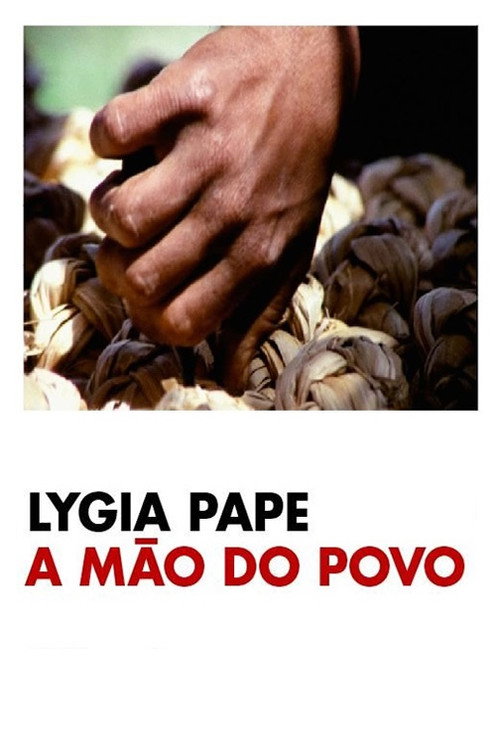
A Mão do Povo 1975
A Mão do Povo (1975) is a captivating 12-minute documentary directed by the visionary Lygia Pape, a key figure in Brazil's avant-garde art scene.
Director: Lygia Pape
Frequently Asked Questions
What is A Mão do Povo (1975) about?
This 12-minute documentary by Lygia Pape captures the raw energy of Brazil's socio-political landscape in the 1970s, focusing on themes of power and community. The film blends visual artistry with social commentary, offering a snapshot of the era's cultural ferment.
Who directed A Mão do Povo?
The film was directed by Lygia Pape, a renowned Brazilian artist celebrated for her groundbreaking contributions to avant-garde cinema and visual arts.
Who stars in A Mão do Povo?
Director information is not available.
Is A Mão do Povo (1975) worth watching?
With its concise 12-minute runtime and striking visual storytelling, A Mão do Povo is a compelling watch for fans of political documentaries. Its thematic depth and artistic vision make it a valuable entry in Brazil's cinematic history.
How long is A Mão do Povo?
The film runs for 12 minutes.
About A Mão do Povo (1975) — Brazil's 1970s Avant-Garde Documentary Masterpiece
A Mão do Povo (1975) is a captivating 12-minute documentary directed by the visionary Lygia Pape, a key figure in Brazil's avant-garde art scene. This short film immerses viewers in a raw, politically charged atmosphere, offering a glimpse into the social and cultural tensions of its era. Through striking visuals and unfiltered storytelling, Pape explores themes of power, community, and collective identity, leaving a lasting impression on Brazilian cinema. The documentary's concise runtime belies its depth, making it a must-see for those interested in the intersection of art and activism during the mid-1970s.
As a pioneering work of non-fiction cinema, A Mão do Povo stands out for its bold perspective and uncompromising honesty. The film's haunting imagery and thought-provoking narrative invite audiences to reflect on the role of individuals within societal structures. Whether you're a fan of classic documentaries or simply curious about Brazil's cinematic heritage, this 1975 gem delivers a unique viewing experience that lingers long after the credits roll.