
Goju no to 1944
Goju no to (1944), directed by the masterful Heinosuke Gosho, is a poignant adaptation of Kōda Rohan's classic novella, *The Five-Storied Pagoda*.
Director: Heinosuke Gosho
Cast


Frequently Asked Questions
What is Goju no to (1944) about?
Goju no to is a reflective drama set in Meiji-era Japan, based on Kōda Rohan's novella *The Five-Storied Pagoda*. The story centers on a young carpenter tasked with rebuilding a sacred pagoda, uncovering layers of meaning in both the structure and his own life along the way. It's a meditative exploration of craftsmanship, spirituality, and the transient nature of existence.
Who directed Goju no to?
Goju no to was directed by Heinosuke Gosho, a celebrated Japanese filmmaker known for his insightful and humanistic storytelling.
Who stars in Goju no to?
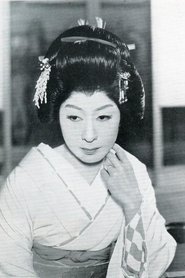
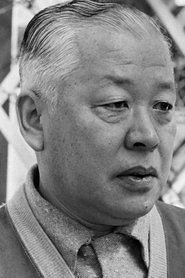
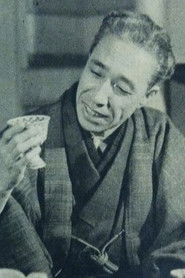
The film stars Ichijirō Oya, Shōtarō Hanayagi, Kakuko Mori, Eijirō Yanagi, and Yumeko Aizome in pivotal roles.
Is Goju no to (1944) worth watching?
While not widely known outside of classic film circles, Goju no to (1944) is a treasure for fans of historical Japanese cinema and literary adaptations. Its quiet yet profound themes make it a rewarding watch for those seeking depth and elegance in storytelling, even if it lacks mainstream appeal.
How long is Goju no to?
Runtime details are not listed for Goju no to (1944).
About Goju no to (1944) — A Quiet Masterpiece by Heinosuke Gosho
Goju no to (1944), directed by the masterful Heinosuke Gosho, is a poignant adaptation of Kōda Rohan's classic novella, *The Five-Storied Pagoda*. Set against the backdrop of Meiji-era Japan, this understated yet profound film explores themes of tradition, impermanence, and the quiet resilience of the human spirit. The story unfolds with a delicate balance of introspection and warmth, as characters navigate the tension between progress and preservation in a changing world. Gosho's direction infuses the narrative with a serene atmosphere, inviting viewers into a world where every gesture and glance carries deeper meaning.
At its core, Goju no to (1944) is a meditation on the fleeting nature of life and the enduring power of human connection. The film's restrained elegance and rich cultural texture make it a standout in Gosho's filmography, offering a timeless reflection on the delicate balance between the old and the new. Whether you're drawn to its historical context or its timeless themes, this cinematic gem promises a deeply moving experience that lingers long after the final frame.