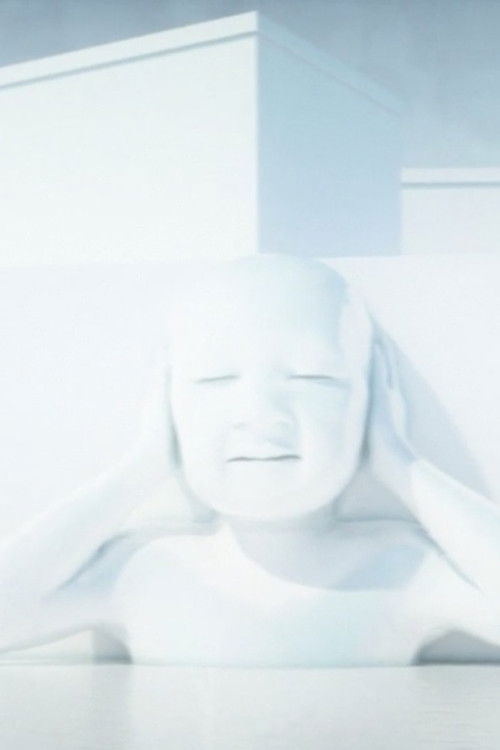
Labyrinth 2011
In Yi Zhou's *Labyrinth (2011)*, the boundaries between reality and digital abstraction dissolve in a hauntingly brief yet visually arresting short film.
Director: Yi Zhou
Frequently Asked Questions
What is Labyrinth (2011) about?
*Labyrinth (2011)* explores the collapse of traditional imagery through a surreal, three-minute journey. It reimagines war and peace as distorted digital reflections, where gravity, speed, and perspective warp reality into something unsettlingly new. Think of it as a cinematic experiment that challenges what we perceive as normal.
Who directed Labyrinth?
Yi Zhou is the visionary behind *Labyrinth (2011)*, crafting a short film that blends digital artistry with apocalyptic themes.
Who stars in Labyrinth?
Cast details for *Labyrinth (2011)* are not publicly listed.
Is Labyrinth (2011) worth watching?
*Labyrinth (2011)* is a visually striking experiment rather than a conventional narrative film. Its surreal, three-minute runtime makes it ideal for fans of experimental cinema or digital artistry, though it may leave traditional moviegoers craving more substance. It's a niche but memorable watch for the right audience.
How long is Labyrinth?
*Labyrinth (2011)* has a runtime of 3 minutes.
About Labyrinth (2011) — A Digitally Distorted Vision of War and Peace
In Yi Zhou's *Labyrinth (2011)*, the boundaries between reality and digital abstraction dissolve in a hauntingly brief yet visually arresting short film. Conceived as a commentary on the modern apocalypse, the story reimagines war and peace through a fractured lens, transforming everyday imagery into something unsettling and surreal. Every frame drips with digital distortion—gravity shifts, altered speeds, and warped perspectives turn familiar scenes into a nightmarish dreamscape, as if the world has been run through a cinematic funhouse mirror.
This isn't just another war film or dystopian tale; *Labyrinth* strips away conventional storytelling to focus on the raw, disorienting power of visual manipulation. With every character and object rendered from scratch in a computer, the film blurs the line between the digital and the organic, creating an atmosphere that feels both futuristic and eerily timeless. It's a three-minute odyssey that lingers long after the screen fades to black, leaving viewers to question what's real—and what isn't.