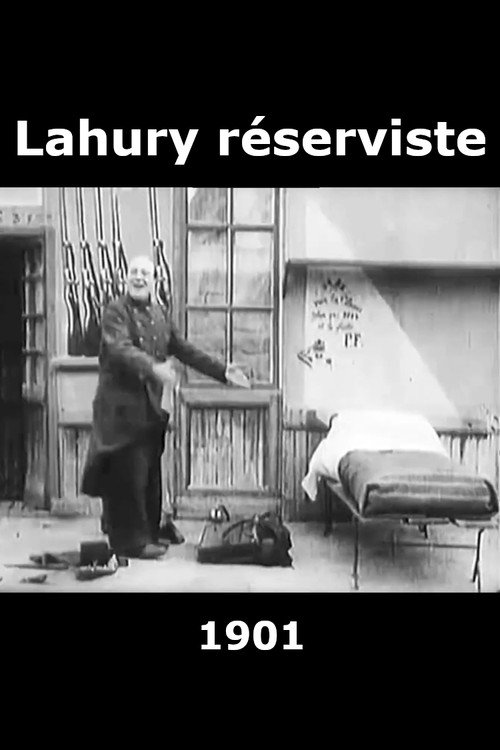
Lahury the Soldier 1901
This 1901 French comedy short *Lahury the Soldier* delivers slapstick delight in just two minutes, as Dranem finds himself caught in an endless loop of undressing for bedtime only to discover his military gear magically reappears.
Cast
Frequently Asked Questions
What is Lahury the Soldier (1901) about?
This comedic short follows a soldier's futile attempts to get ready for bed, only to find his military gear reappearing each time he undresses. The humor arises from the endless cycle of dressing and undressing, highlighting the absurdity of military routine.
Who directed Lahury the Soldier?
Director information is not available.
Who stars in Lahury the Soldier?
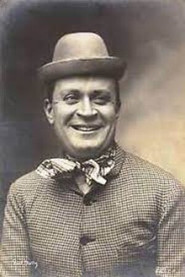
The film stars Dranem, a popular French comedian of the era.
Is Lahury the Soldier (1901) worth watching?
As a silent-era comedy short, it's more of a historical curiosity than a must-watch. Its brief runtime and simple gag may not appeal to modern audiences, but it's a charming relic for silent film enthusiasts.
How long is Lahury the Soldier?
Runtime is 2 minutes.
About Lahury the Soldier (1901) — The Classic Comedy Short You Can't Miss
This 1901 French comedy short *Lahury the Soldier* delivers slapstick delight in just two minutes, as Dranem finds himself caught in an endless loop of undressing for bedtime only to discover his military gear magically reappears. The film plays on the absurdity of bureaucracy and military routine, wrapping a simple gag in the cozy chaos of early cinema. Dranem's expressive performance brings humor and heart to the role, making *Lahury the Soldier* a playful peek into the silent era's comedic timing. Its lighthearted themes and minimalist setup give it a timeless charm perfect for fans of vintage comedy.
Despite its brevity, the short captures the spirit of early cinema with its quick cuts and visual gags. The film's charm lies in its simplicity—no over-the-top effects or complex plot, just a soldier's Sisyphean struggle with his gear. A delightful slice of cinematic history, *Lahury the Soldier* offers a glimpse into the kind of everyday humor that defined early filmmaking.