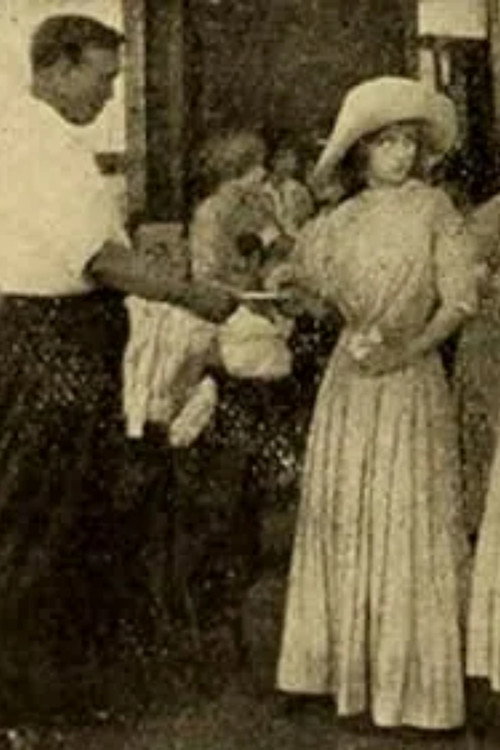
In The Chorus 1911
When hardship strikes in *In The Chorus* (1911), a heartbroken single mother faces an agonizing choice—abandon her beloved child to a charitable home while she searches for work to survive.
Cast

Frequently Asked Questions
What is In The Chorus (1911) about?
The film follows a young widow who, driven by extreme poverty, leaves her daughter in a charitable institution while she searches for work. It's a poignant exploration of maternal sacrifice and resilience in the face of hardship.
Who directed In The Chorus?
Director information is not available.
Who stars in In The Chorus?
The film features Marguerite Snow, Marie Eline, and Florence La Badie in the lead roles.
Is In The Chorus (1911) worth watching?
As a silent-era drama, *In The Chorus* offers a glimpse into early cinema's storytelling prowess and emotional depth. While short in runtime, its themes of sacrifice and struggle make it a compelling watch for silent film enthusiasts and those interested in historical dramas.
How long is In The Chorus?
The film has a runtime of 10 minutes.
About In The Chorus (1911) — A Silent-Era Drama of Sacrifice and Survival
When hardship strikes in *In The Chorus* (1911), a heartbroken single mother faces an agonizing choice—abandon her beloved child to a charitable home while she searches for work to survive. This ten-minute silent drama from the early 1900s captures the raw emotional toll of poverty through a mother's sacrifice, framed against the backdrop of early cinema's storytelling power. Directed by an unidentified filmmaker, the short film relies on powerful performances to convey its themes of resilience, maternal love, and societal struggle. The black-and-white visuals and silent-era pacing create an atmosphere of quiet desperation, where every frame underscores the quiet strength of a parent's unconditional devotion.
*In The Chorus* (1911) shines a spotlight on the often-overlooked struggles of early 20th-century families, blending historical context with timeless human emotion. Starring Marguerite Snow, Marie Eline, and Florence La Badie, the film showcases the dramatic intensity that silent cinema could achieve with minimal dialogue. Though brief, its impact lingers, revealing how even a short film can evoke deep empathy in its audience.