Le verre n'est jamais si bleu qu'à sa brisure 1981
Dive into *Le verre n'est jamais si bleu qu'à sa brisure* (1981), Eric Lanz's poetic eight-minute experimental short that transforms the Super-8 camera into a brushstroke on celluloid.
Director: Eric Lanz
Frequently Asked Questions
What is *Le verre n'est jamais si bleu qu'à sa brisure* (1981) about?
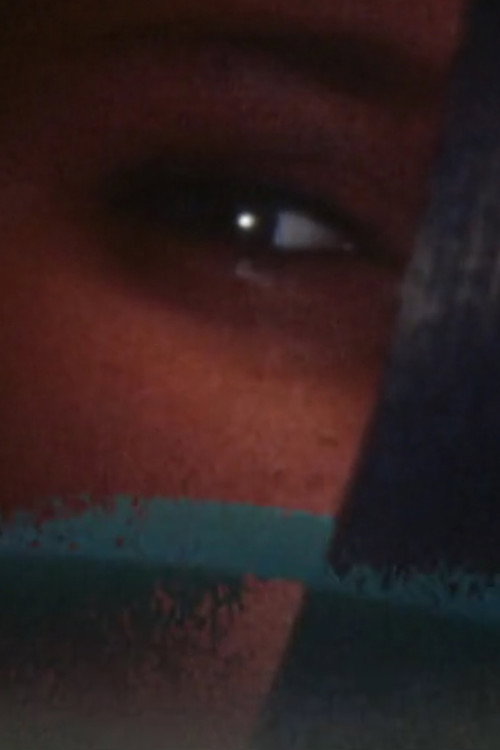
This experimental short is a silent exploration of color, texture, and rhythm, using Super-8 footage to create a visual tapestry of blue and red moments. It abandons traditional storytelling to focus on the tactile quality of images, treating the camera like a brush.
Who directed *Le verre n'est jamais si bleu qu'à sa brisure*?
The film was directed by Eric Lanz, a filmmaker known for his avant-garde and visually driven approach to cinema.
Who stars in *Le verre n'est jamais si bleu qu'à sa brisure*?
Cast details for this experimental short are not listed.
Is *Le verre n'est jamais si bleu qu'à sa brisure* (1981) worth watching?
While not a conventional film, it's a captivating experiment in visual storytelling for those drawn to experimental cinema. Its lack of dialogue and focus on color and rhythm make it a unique experience, though it may appeal to a niche audience.
How long is *Le verre n'est jamais si bleu qu'à sa brisure*?
The runtime is 8 minutes.
About Le verre n'est jamais si bleu qu'à sa brisure (1981) — Eric Lanz's Blue-Tinted Visual Poem
Dive into *Le verre n'est jamais si bleu qu'à sa brisure* (1981), Eric Lanz's poetic eight-minute experimental short that transforms the Super-8 camera into a brushstroke on celluloid. Crafted with a deliberate absence of sound, the film explores the interplay of color, texture, and rhythm through fleeting associations of objects and fragments. Lanz strips away narrative convention, replacing it with a tactile visual symphony where blue dominates the palette—punctuated by bursts of red—that feels like a painter's unfinished canvas come to life. The hand-held camerawork mimics the spontaneity of a sketch, capturing ephemeral moments that blur the line between still life and motion.
This avant-garde gem is less a story and more a sensory experiment, inviting viewers to dissolve into its chromatic harmonies and rhythmic editing. Far removed from mainstream cinema, *Le verre n'est jamais si bleu qu'à sa brisure* (1981) is a meditation on perception itself—a fleeting glimpse into Lanz's visionary approach to film as an art form unshackled by dialogue or sound. Perfect for fans of cinematic abstraction, it's a microcosm of creativity where every frame feels like a deliberate mark on the canvas of time.